

Counseling Basics

What Is Counseling Really Like?
Counseling (also called therapy or talk therapy) is a private space to talk through whatever is on your mind—stress, relationships, identity, anxiety, grief, trauma, or even just everyday life.
It is a space where you are listened to, not judged
You do not have to be in crisis to go.
You do not need to know exactly what to say.
You just have to show up.
What If Therapy Feels Taboo?
Some people grow up hearing certain messages about therapy, like…
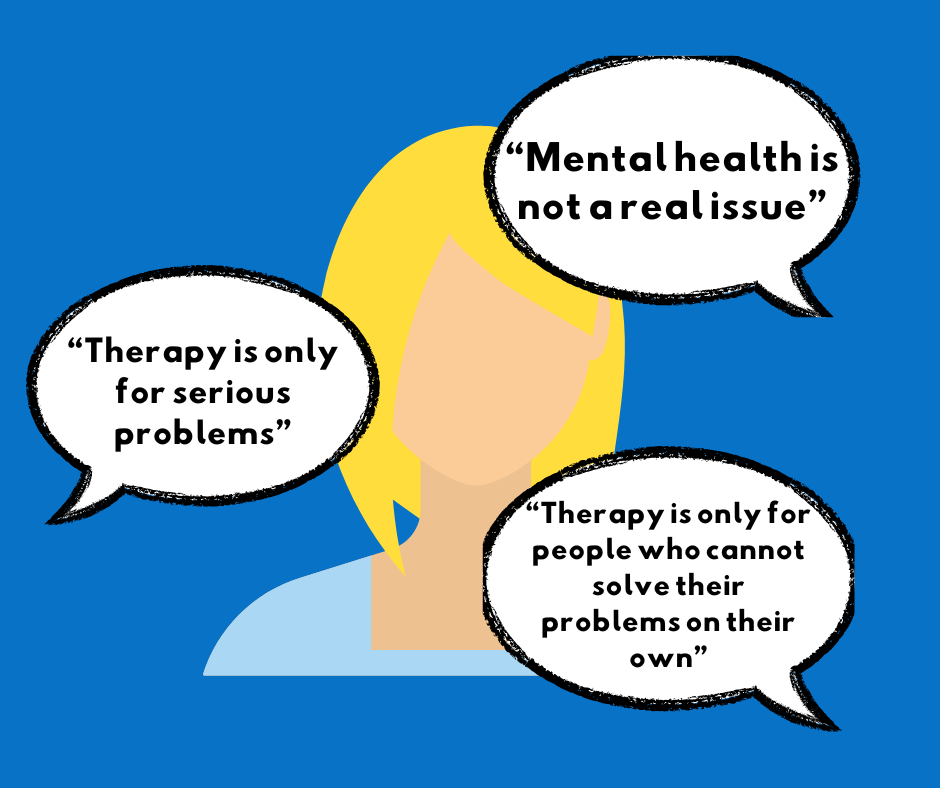
These beliefs are more common than you might think. They often come from culture, upbringing, or past experiences. It does not mean they do not care—it just means they may not understand.
But times are changing—and so is the way we talk about mental health.
Therapy is not about being broken.
It is about:
Learning new tools
Growing emotionally
Having a safe, private space to figure things out
Even if people around you do not get it, that is okay.
You are allowed to explore therapy, ask questions, and care for your mind—no matter what anyone else believes.

What to Expect in a Session
Sessions are usually one-on-one and confidential
You talk at your own pace—nothing is forced
A licensed counselor listens, asks questions, and helps you reflect
You set the goals and guide the direction
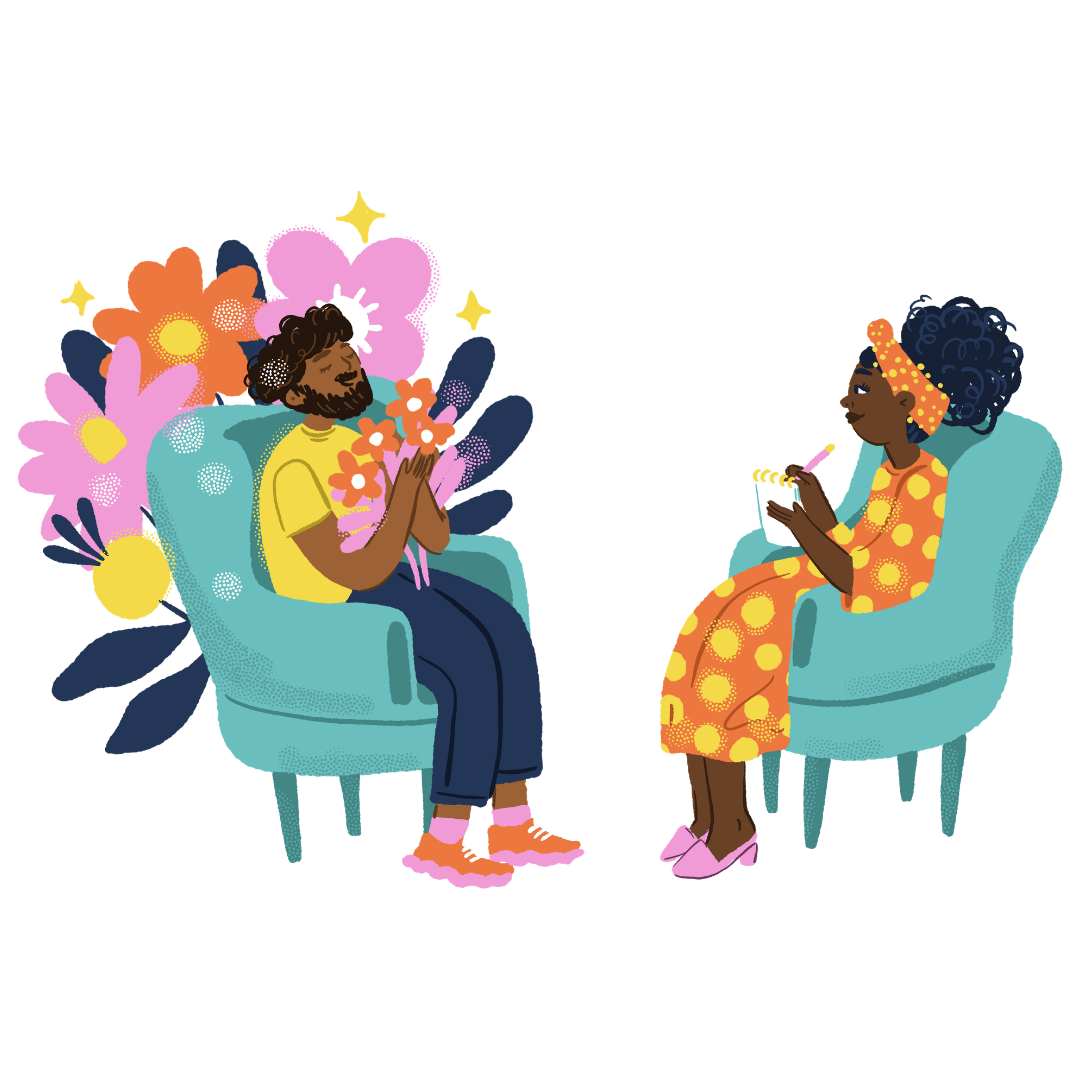
Some sessions might feel emotional
〰️
Others might feel like a regular conversation
〰️
Both are valid
〰️
Some sessions might feel emotional 〰️ Others might feel like a regular conversation 〰️ Both are valid 〰️
What Therapy Is (and Is Not)
Therapy can seem confusing or even intimidating if you have never been before, and that is ok!
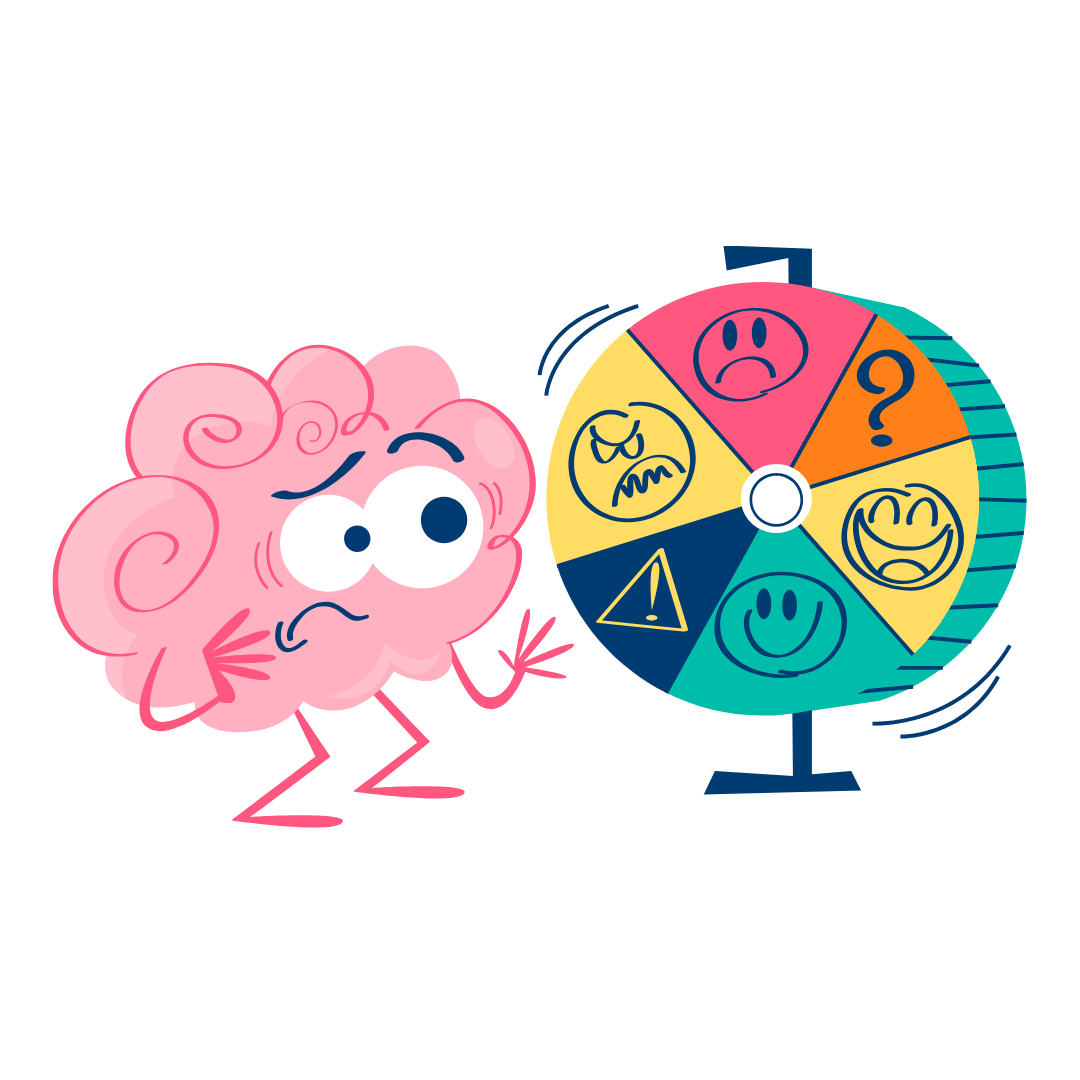
At its core, it is a space to feel heard, explore what is on your mind, and learn ways to care for your mental health.
It is not about being “broken” or needing to have all the answers—it is about having support as you figure things out.
Therapy Is
• A space to be yourself
• A chance to learn new tools and gain insight
• A relationship built on trust and respect
• Support for all kinds of challenges—big or small
• A process that takes time, and looks different for everyone
Therapy Is Not
• Just for “serious” issues
• A place where you are told what to do
• About “fixing” you
• Always easy
• Something that works overnight
• A weakness—it takes courage to ask for help
Remember:
Therapy is personal. You get to go at your own pace, set your own goals, and speak up about what feels helpful (or not).
If one therapist is not the right fit, that is okay—there are others out there who might be.
What matters most is finding support that feels right for you.


How to Make the Most of Therapy
1. Set goals, even small ones
Goals help guide your sessions and give you a sense of progress. It can be as simple as “I want to feel less overwhelmed.”
2. Be as honest as you can
Therapy is most helpful when you are real—even if it is messy, confusing, or scary.
3. Ask for a new counselor if needed
If the vibe is off or you do not feel heard, it is okay to switch. The right fit makes all the difference.
4. Reflect between sessions
Jot things down, notice patterns, or just check in with yourself. Growth often happens between sessions.
How to Find a Therapist
Start Local
School counselors, clinics, or campus wellness centers can connect you
Use Directories
Try websites like Psychology Today, omh.ny.gov, NYS rural resources, or your insurance portal
Ask For Referrals
From a doctor, a trusted adult, or even a friend
Low-Cost Options

Is This Therapist Right for Me?
Finding a therapist who fits your needs is key. You should feel safe, understood, and supported.
If something feels off—big or small—it is okay to switch.
You deserve care that feels right.
Here are a few questions to check in with yourself during the first few sessions:
Do I feel heard and respected?
Do I feel safe being honest?
Do they try to understand my perspective?
Do I feel supported—not judged?
If your answer to any of these is “not really,” that is okay. You can always try someone new.
Therapy should feel like a space where you can be you.