

Birth Control Options

Birth Control Options: What You Need to Know
There are many ways to prevent pregnancy, and you have the right to choose what works best for you.
Birth control can also help with things like period regulation, cramps, or acne.
Below are some of the most common methods available:
Birth Control Options
-
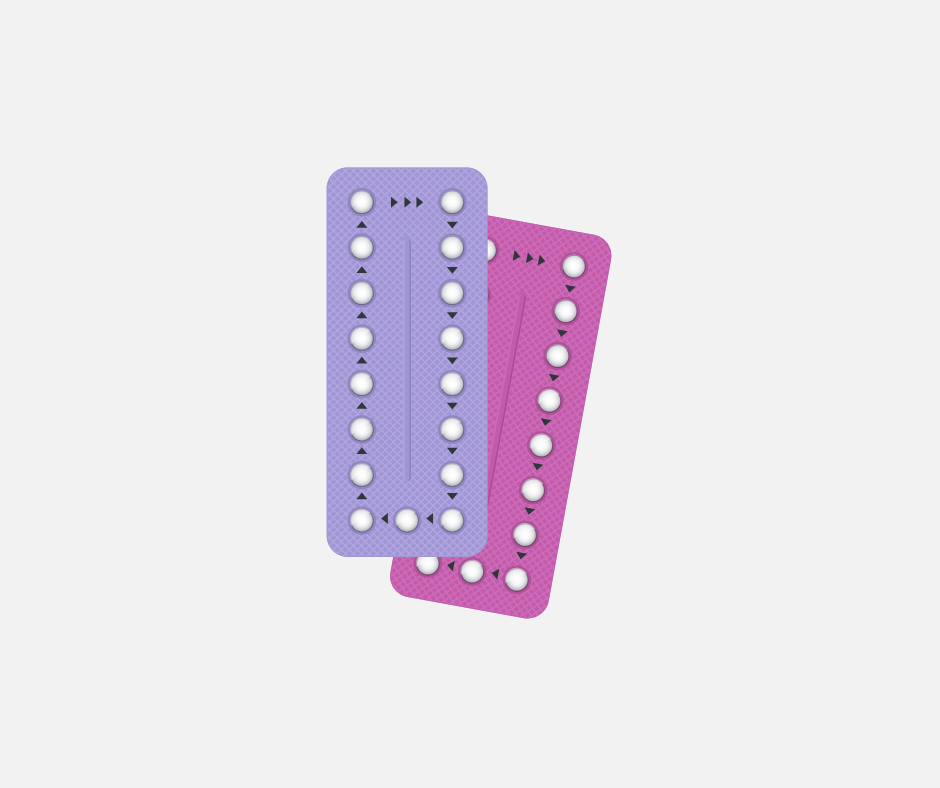
The Pill
How it is used: Taken orally every day for 21 days followed by a 7-day placebo (sugar pill) to maintain regular periods.
For maximum effectiveness, oral contraception should be taken at the same time.
What it protects against: Pregnancy (does not protect against STIs) -

The Patch
How it is used: The patch delivers hormones through the skin to prevent pregnancy. It is applied once a week for three weeks, followed by a patch-free week.
Placement: The patch must be applied to clean, dry skin on the buttocks, abdomen, upper arm, or back.
It should be rotated to a different spot each week to avoid irritation and maintain effectiveness.
What it protects against: Pregnancy (does not protect against STIs) -
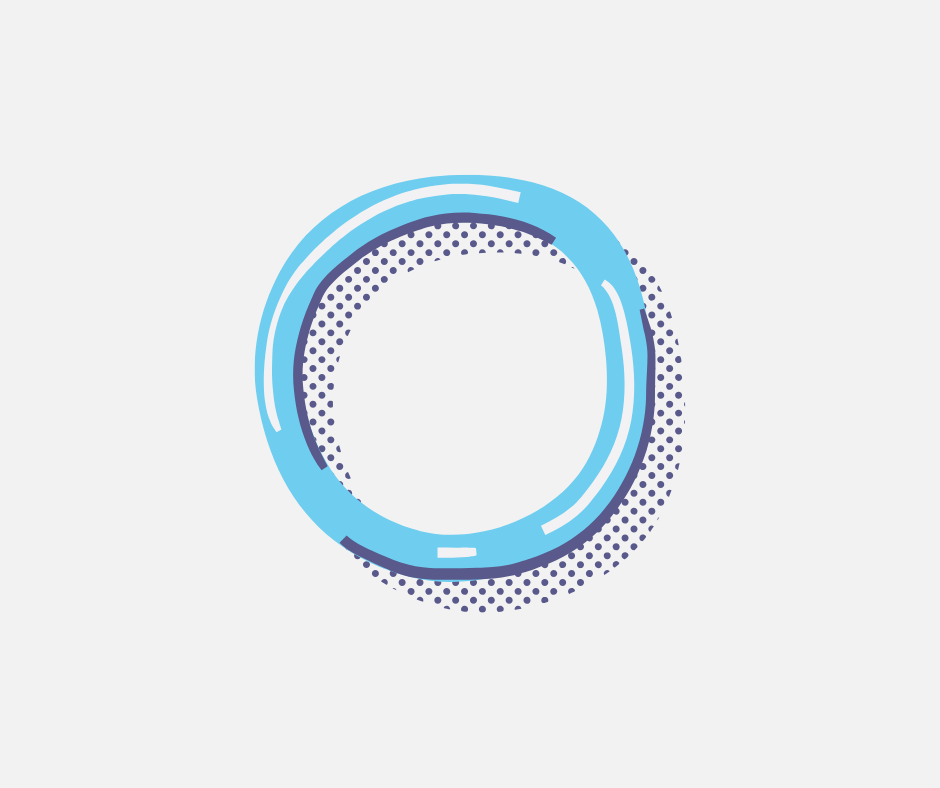
The Ring
How it is used: A flexible ring is inserted into the vagina, releasing hormones to prevent pregnancy. It is typically left in place for three weeks, followed by a one-week ring-free period.
It should be inserted and removed according to the schedule to maintain effectiveness.
What it protects against: Pregnancy (does not protect against STIs)Talk to your healthcare provider to determine whether year-round use or the monthly cycle is best for you.
-
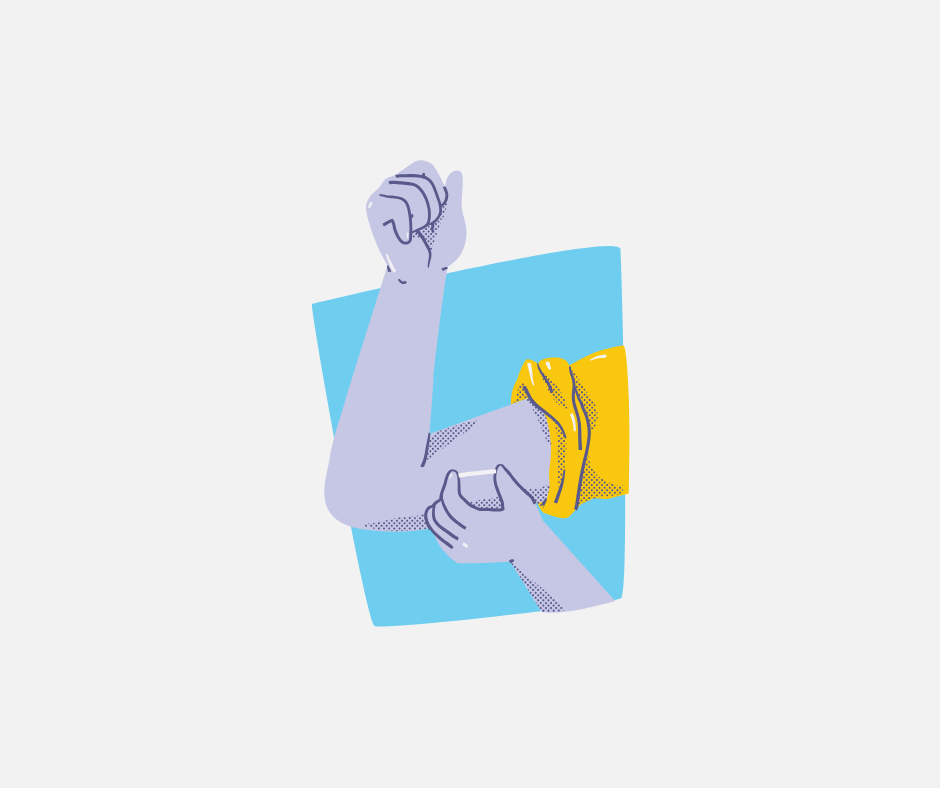
The Implant
How it is used: A small rod inserted under the skin of your arm by a healthcare provider that lasts up to 3–5 years.
What it protects against: Pregnancy (does not protect against STIs)Talk to your healthcare provider to determine whether the implant is best for you.
-
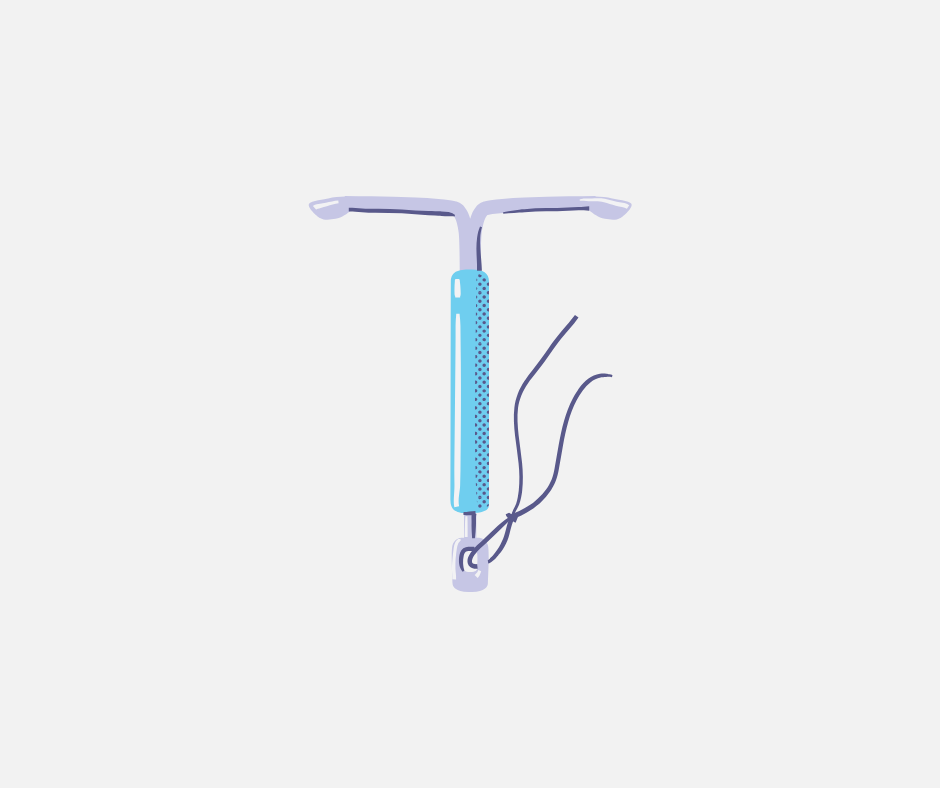
IUD
How it is used: A small device inserted into the uterus by a healthcare provider; lasts 3–10 years depending on hormonal or non-hormonal [copper IUD]
What it protects against: Pregnancy (does not protect against STIs)Talk to your healthcare provider on the differences of hormonal and non-hormonal IUD’s work.
-
Emergency Contraception
How it is used: Taken as a pill within 3–5 days after unprotected sex. The sooner it is taken, the more effective it is at preventing pregnancy.
What it protects against: Pregnancy (does not protect against STIs) -
Condoms
How it is used: External condoms are to be placed on an erect penis, while internal, or female, condom are to be inserted into the vagina before sex.
External condoms are easier to find in stores. Access to internal condoms are available through some pharmacies, online suppliers and health programs.
What it protects against: Pregnancy and most STIs. -
The Shot
How it is used: An injection given every 3 months, administered at a doctor’s office.
What it protects against: Pregnancy (does not protect against STIs)
Choosing birth control is personal, and every method works a little differently for every body.
Some options require a daily routine, like the pill, while others are more low-maintenance, like the implant, patch, or IUD. It can also help to think about your own preferences, such as how you feel about hormones, possible side effects, or changes in your cycle.
A doctor or nurse can walk you through each option and help you figure out what fits your lifestyle and comfort level.
Where to get free condoms
You can get free condoms with no ID and no questions asked at several local clinics, including our program, Project Salus.
These locations include:
Planned Parenthood in Batavia
Oak Orchard Health (Albion, Batavia, and Medina)
Genesee and Orleans County Health Departments (Albion and Batavia)
Women’s Care Center in Batavia
Project Salus in Albion
FAQs
-
In New York State, minors can access birth control without a parent's permission. You have the right to confidential care.
-
Yes. Many clinics offer birth control at no cost through programs like the Family Planning Benefit Program or sliding scale services.
-
If you forget one pill, take it as soon as you remember. If you miss more than one, check the instructions or ask a provider. You may need backup protection like condoms.
-
Yes. Most methods are safe for long-term use. A provider can help you decide what is best for your health and lifestyle.
-
Yes. Hormonal methods like the pill, patch, or ring can regulate periods, reduce cramps, and help with acne.
-
You can stop any method at any time. Talk to a provider about what to expect and how to switch methods safely if needed.