

Confidentiality in Mental Health

Your conversations in counseling are private
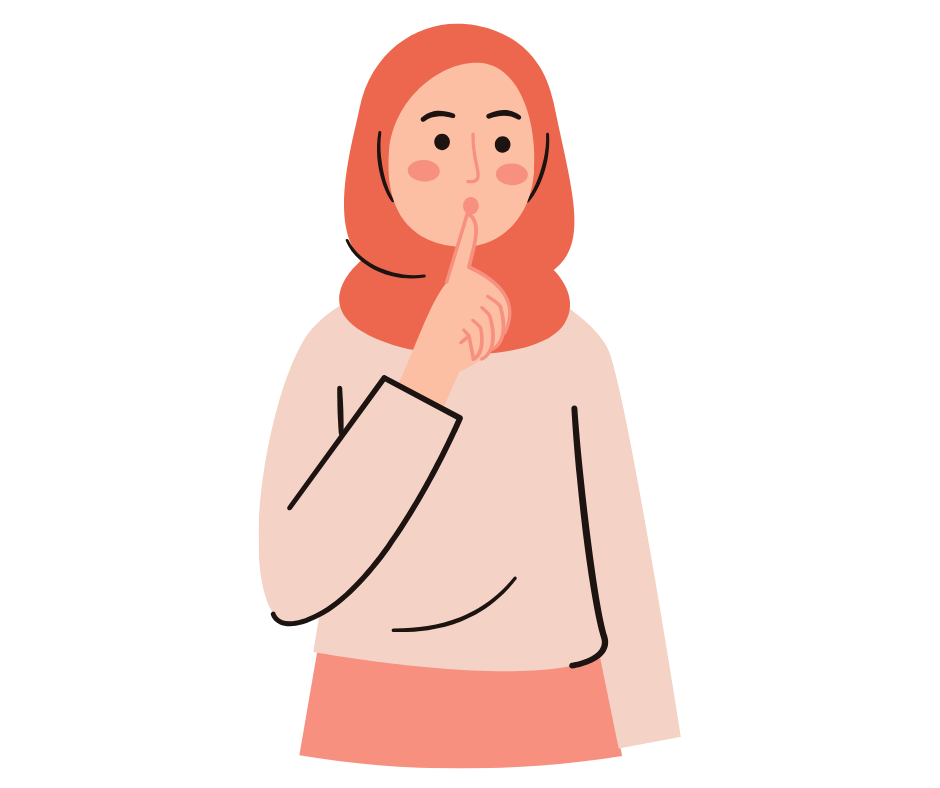
Mental health providers follow strict laws and ethical rules to protect your privacy. This is called confidentiality, and it is one of the most important parts of counseling.
It helps build trust so you can speak freely without fear of judgment or exposure.
Counselors will not share what you say with your family, friends, teachers, or anyone else unless there is a serious safety concern.

What Stays Private and What Does Not

Not everything you share in therapy is treated the same. Most of it stays private but there are a few situations where your therapist might have to speak up to keep someone safe.
Here is what is and is not confidential.
What is private
Your thoughts, feelings, and anything you talk about in sessions
Your mental health history, diagnoses, and treatment plan
Even the fact that you are going to therapy (in most cases)

What is not private
If you say you plan to hurt yourself or someone else
If there is suspected abuse or neglect (especially of a minor or vulnerable adult)
If a serious safety issue comes up (like threats of violence or unsafe situations)

If something comes up that breaks confidentiality, your counselor will usually tell you ahead of time and involve you in the next steps whenever possible.
You will not be left out of the loop.
Why Confidentiality Matters
Confidentiality helps therapy feel like a safe space. When you know your words will not be repeated, you are more likely to be honest and open—which is key for healing and growth.

Even if you are nervous at first, most people find it comforting to know there are boundaries that protect their privacy. If you ever feel unsure, it is okay to ask your therapist how they handle confidentiality—and what would happen in a crisis.
Your Rights and the Law (In NYS)
In New York, you can access mental health care without parent or guardian permission starting at age 12 in some settings. You also have the right to private conversations with a therapist.

Some clinics or providers might still involve a parent or guardian depending on the situation, but your provider should always be clear about your rights and how they handle privacy.