

Navigating Relationships

Dating violence is more common than you may think, especially among teens and young adults.
In fact, 1 in 3 U.S. teens will experience physical, sexual, or emotional abuse from someone they’re in a relationship with before becoming adults
For more information visit
Relationships play a big role in our mental and emotional well-being.
This includes romantic relationships, friendships, family relationships, peer relationships, and online connections. Some relationships feel supportive and grounding, while others can feel confusing, draining, or stressful at times.


This page is meant to help you reflect on your relationships, understand what feels healthy or unhealthy, and know where to find support if you need it without pressure to label your situation or make immediate decisions.
Relationships Come in Many Forms
Relationships are not one-size-fits-all. They can include:
Romantic or dating relationships
Friendships
Family relationships
Peer relationships (school, work, community)
Online or digital relationships
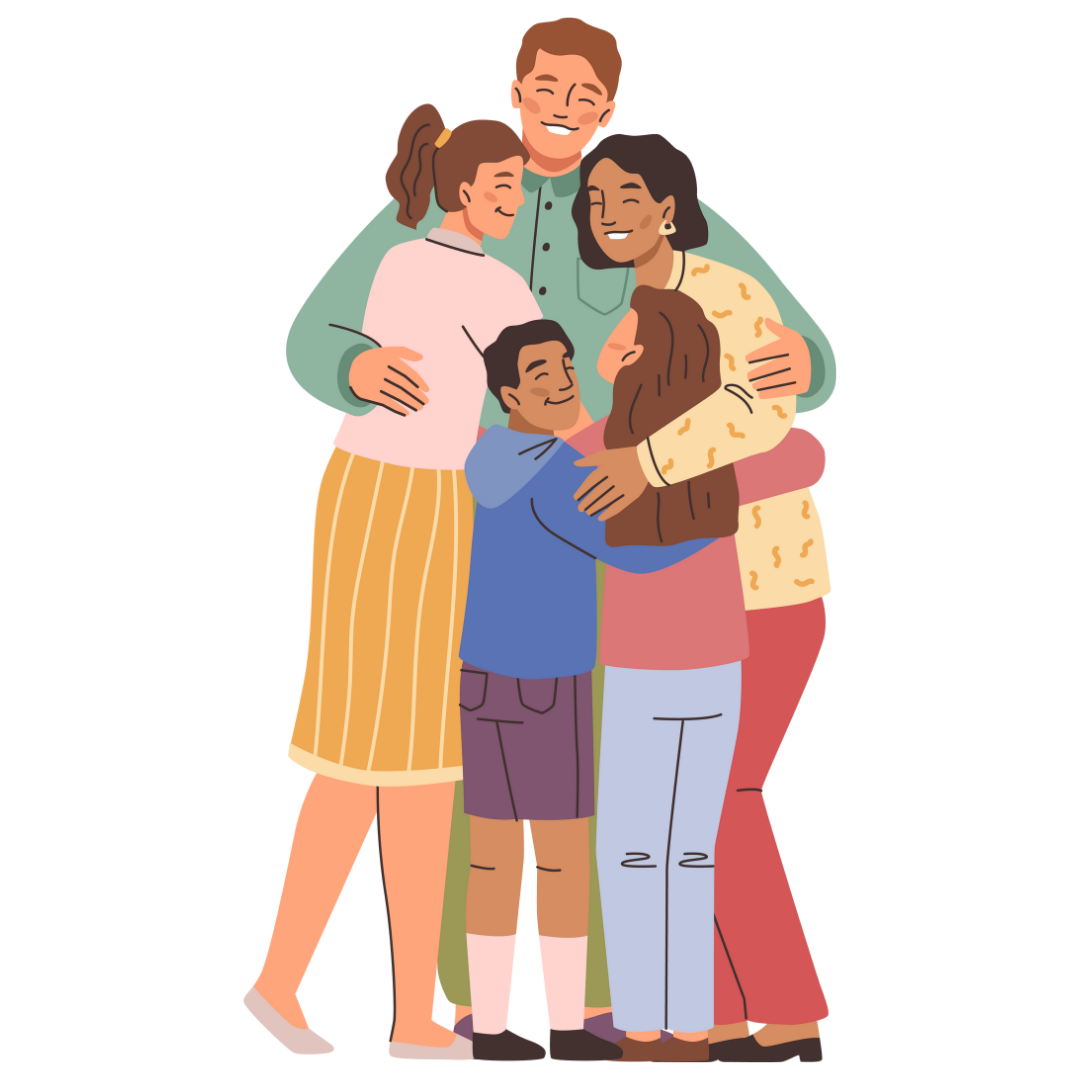
Each type of relationship can impact mental health differently, and challenges can show up in any of them.
What Does a Healthy Relationship Look Like?
A healthy relationship is not about the title.
It is not about whether someone is your partner, best friend, or family member.
It is about how you are treated and how you treat them.
You should feel safe, respected, and comfortable being yourself. You should not feel like you have to shrink, hide parts of who you are, or constantly prove your worth.

Some common signs of a healthy relationship include:
Feeling respected, heard, and valued
Boundaries being acknowledged and respected
Honest and open communication, even when conversations are hard
Mutual trust
Support during stressful or difficult moments
Feeling safe being yourself
Having space to maintain other relationships, hobbies, and interests

Healthy relationships are not perfect!
Disagreements happen. People get annoyed. Conflict is normal.
What is not normal is fear, control, pressure, or feeling like you are walking on eggshells.
If you consistently feel anxious, silenced, controlled, or unsafe, that is worth paying attention to.
Boundaries and Emotional Safety
Boundaries are limits that protect your emotional, physical, and mental well-being. They can look different depending on the relationship.
Boundaries may involve:
How much time or energy you give someone
Privacy around your thoughts, body, phone, or messages
Saying no without feeling guilty
Choosing what you are comfortable sharing
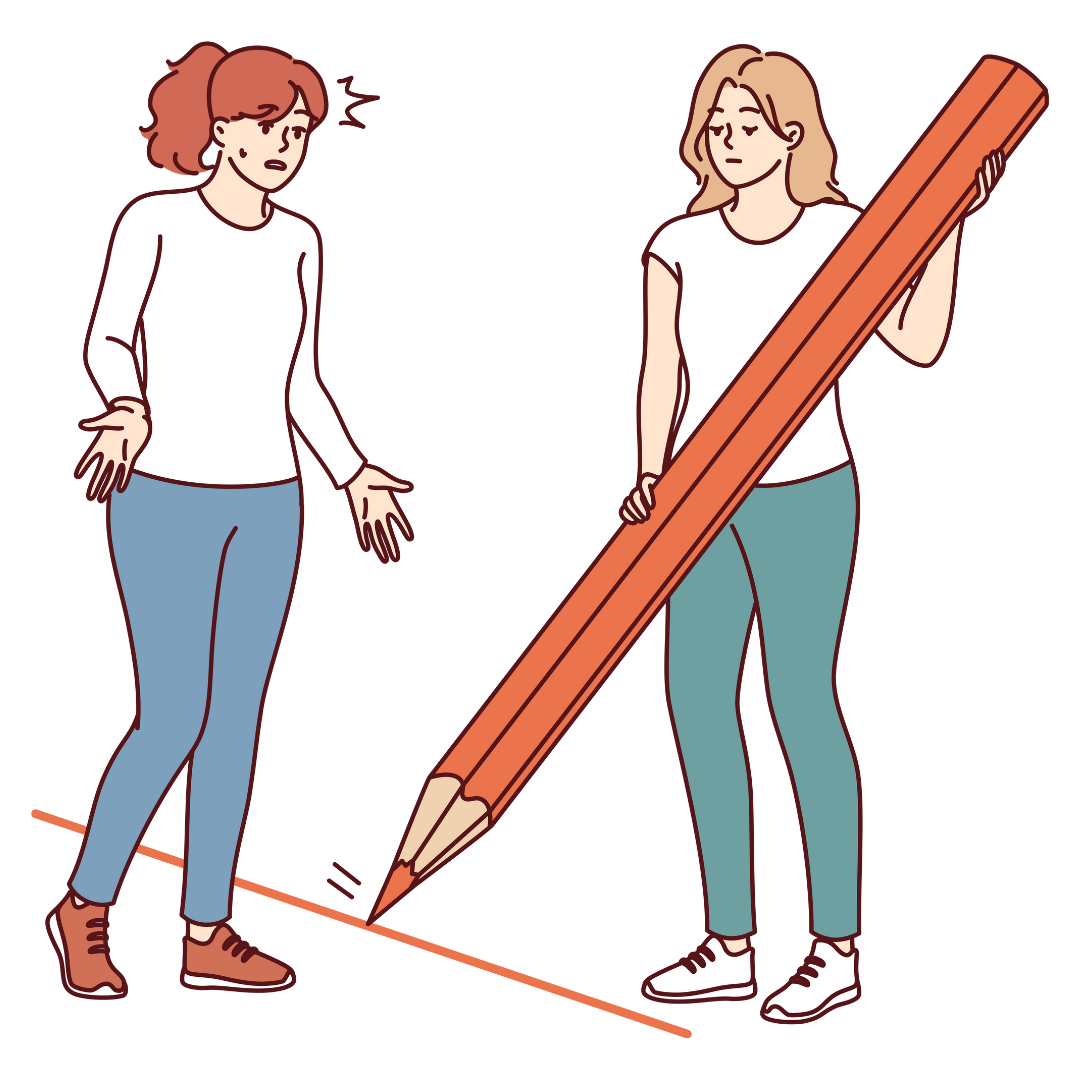
Emotional safety means feeling able to express yourself without fear of punishment, guilt, or retaliation. When boundaries are respected, relationships tend to feel more stable and supportive.
Digital Relationships and Online Boundaries
Many relationships extend into texting, social media, and online spaces. Digital behavior is an important part of relationship health and emotional safety.

Healthy digital dynamics often include:
Respecting privacy and personal devices
Not demanding passwords or constant access
Asking for consent before sharing messages, photos, or screenshots
Not tracking, monitoring, or controlling online activity
Feeling safe and respected when communicating online
Nonconsensual Image Sharing
Sharing private or intimate images without someone’s permission (sometimes called nonconsensual image sharing or image-based abuse) is harmful and illegal in many places. This includes sending, posting, or threatening to share images without consent.
If this has happened to you, it is not your fault. Support and help are available.
Support and Resources
For Adults (18+)
StopNCII.org
A free tool that helps prevent the spread of intimate images on participating social media platforms.Cyber Civil Rights Initiative (CCRI)
Confidential support and guidance for people affected by nonconsensual image sharing.
Helpline: 1-844-878-CCRI (2274)
For Minors (Under 18)
Take It Down (NCMEC)
A free, confidential service that helps remove or prevent the sharing of intimate images involving minors.
Additional Steps That May Help
Save evidence (screenshots, messages, usernames, links)
Block and report the person on the platform involved
Report the content directly to the social media platform
Reach out to a trusted adult, counselor, or support service
If you feel unsafe or overwhelmed, reaching out for help is a strong and valid step.
When a Relationship Feels “Off”
Not all unhealthy dynamics are obvious.
Some relationships do not feel clearly “bad,” but they may still feel uncomfortable, confusing, or emotionally heavy. You might notice small moments of unease that are hard to explain, even when nothing specific seems wrong.
These feelings can show up gradually and may be easy to dismiss, especially if the relationship matters to you. Still, paying attention to how a relationship makes you feel over time can offer important insight.
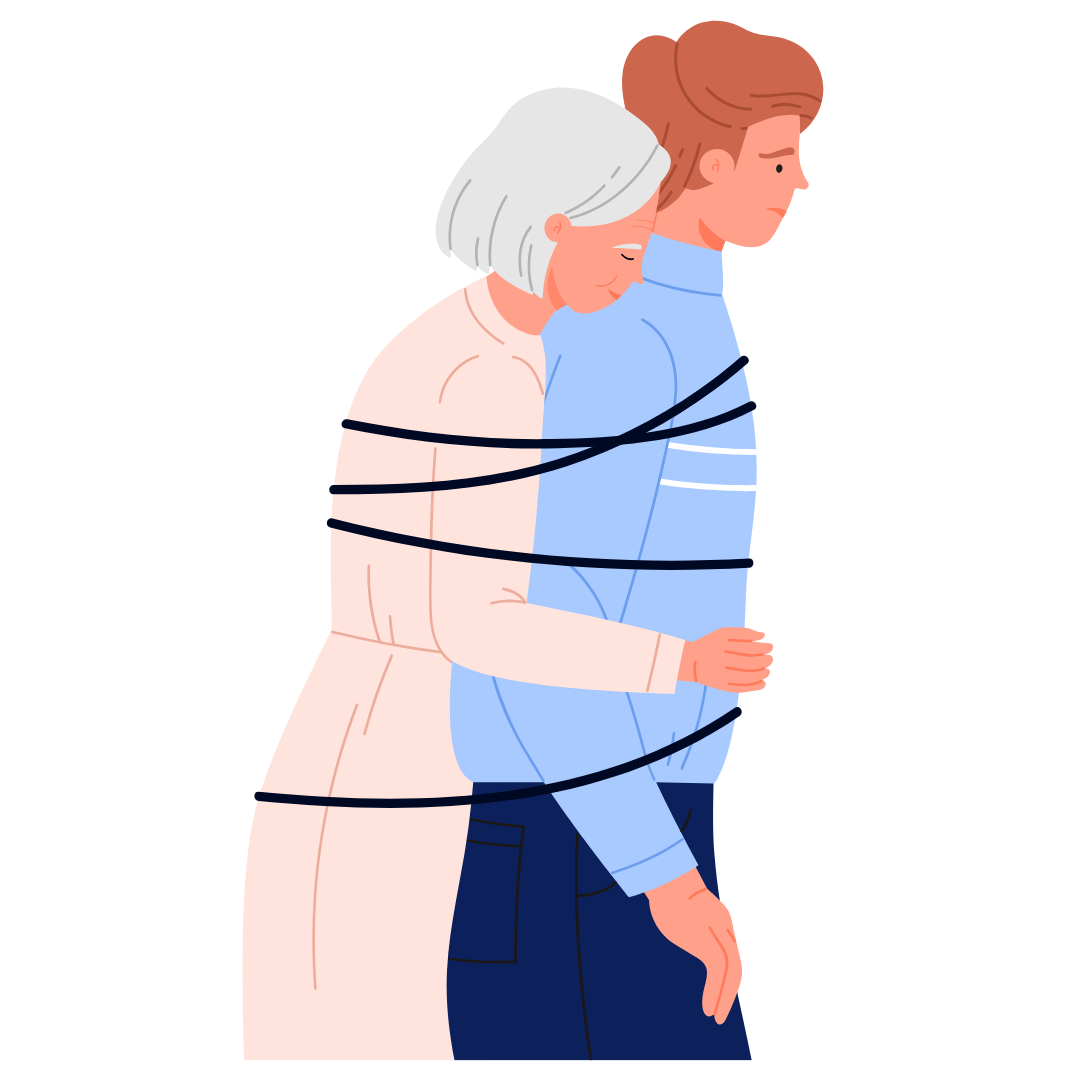
You might want to pause and reflect if you notice:
Feeling anxious, tense, or uneasy before interacting with someone
Feeling pressured, controlled, or closely monitored
Walking on eggshells to avoid conflict or upsetting the other person
Pulling away from friends, family, or support systems
Feeling guilty for setting boundaries or asking for space
Feeling emotionally drained, overwhelmed, or smaller after interactions
Experiencing one of these does not automatically mean a relationship is unhealthy.
However, patterns matter.
If these feelings are ongoing or increasing, they may be worth exploring further.
Your feelings are valid, even if the situation feels confusing or difficult to name. Trusting your internal signals can be an important first step toward understanding what you need and what support might help.
Supporting Someone Else
You may notice signs that a friend, peer, or family member is struggling in a relationship. This can feel confusing or heavy, especially if you are not sure what to say or how to help.
Supporting someone does not mean fixing the situation or having the “right” answers. Often, what helps most is offering steadiness, respect, and space.
Support can look like:
Listening without judgment, interruption, or disbelief
Validating their feelings, even if you do not fully understand the situation
Avoiding pressure or ultimatums, such as telling them what they “should” do
Helping them explore options at their own pace rather than pushing decisions
Encouraging outside support (trusted adults, counselors, hotlines) when appropriate
Respecting their autonomy, even if their choices are difficult to watch
Taking care of your own mental health while offering support
It is also okay to set boundaries for yourself!
Supporting someone can be emotionally taxing, and you deserve support too.
You do not have to have all the answers or solve the problem to be supportive. Being present, consistent, and compassionate can make a meaningful difference.
When and Where to Seek Support
Seeking support does not mean something is “seriously wrong.”
Many people reach out simply to get perspective, talk things through, or feel less alone. Support can be helpful at any stage, whether you are feeling unsure, overwhelmed, or just need someone to listen.
Different situations call for different kinds of support, and it is okay to start small.
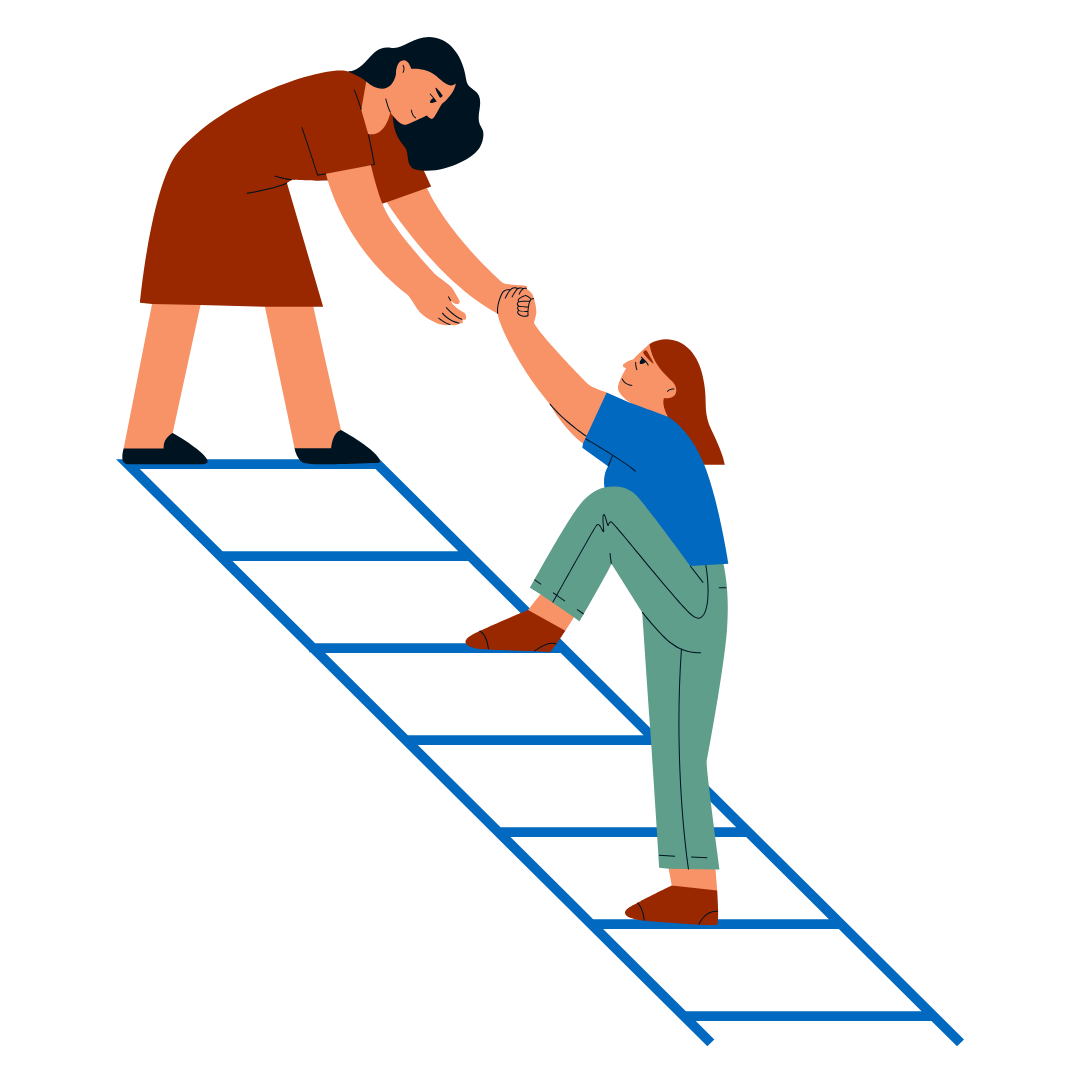
Support options may include:
Talking with a trusted adult, friend, or family member who can listen and offer perspective
Reaching out to a counselor or therapist to talk through concerns in a confidential space
Connecting with a school counselor or social worker, especially for support related to school, family, or peer relationships
Using confidential hotlines or chat services for anonymous support, guidance, or immediate emotional relief
Accessing local support organizations that offer counseling, advocacy, or relationship-related resources
You can choose what feels safest and most comfortable for you. There is no “right” order or timeline for seeking help.
If you ever feel unsafe, threatened, or at risk of harm to yourself or others, reaching out for immediate help is important. In urgent situations, contact emergency services or a crisis support line right away.
Asking for support is a strength, and you deserve care—no matter how big or small the concern feels.