
Therapy Styles

Therapy is Not One-Size-Fits-All
Not all therapy looks like the TV version where someone lies on a couch while a therapist takes notes.
Some sessions feel more like structured problem-solving, deep conversations, or learning new skills.

It is important to remember there is no one “right” way to approach therapy.
Different types of therapy use different tools, but the goal is the same:
Help you feel more supported, more in control, and more like yourself.

How Therapy Actually Works
Therapy is more than just “talking.”
It helps your brain build new pathways—especially when you're learning how to respond to emotions, manage stress, or think in healthier ways.
This process is known as neuroplasticity, your brain's ability to change and adapt.

In therapy, every conversation counts.
Whether you are opening up about the past or learning new ways to cope, you are helping your brain rewire itself.
That is neuroplasticity in action—and it is how real change happens.
Therapy can stir up big feelings—that is normal.
Growth is not always comfy, but it is worth it. Go at your own pace.
You can feel unsure and still be moving forward.
Check out this video:
Reminder
It is not about quick fixes. It is about showing up, reflecting, and building healthier habits with support from someone who gets it.
Some people feel better fast, others need more time.
Both are valid.
The Big 3: Most Common Therapy Types
These three therapy approaches are some of the most widely used and well-researched.
Many therapists use one of them as their foundation—or mix elements of each to fit your needs.

Meet the Big 3!
Tap into each style below to learn more.


CBT – The Grounded Dog

DBT – The Adaptive Octopus

Psychodynamic Therapy – The Insightful Owl
Think of them as three different styles of support.
Each one works in its own way, with its own strengths, and its own kind of rhythm.
Other Therapy Types You Might Hear About
The Big 3 are a solid starting point—but they are not the only options out there.
Therapy is not one-size-fits-all, and depending on what you are going through (or what kind of space you are looking for), another style might click better.

These following approaches are also used by many therapists. Some are more creative, some are more specialized, and some combine techniques from different traditions.
You might see them listed on a therapist’s profile or hear them mentioned during a session—so here is a quick guide to what they actually mean.
-
Originally designed for people with PTSD, EMDR helps the brain process painful memories by using guided eye movements or other forms of rhythmic stimulation.
You talk briefly about a traumatic memory while following the movement with your eyes—this helps the brain “unstick” from distress and process the memory in a healthier way.
EMDR is structured, evidence-based, and especially helpful for trauma, anxiety, and grief.
-
This is an umbrella term that encompasses various types of therapy, including existential therapy, person-centered therapy, solution-focused therapy, transactional analysis, and Gestalt therapy.
This approach focuses on self-growth, personal meaning, and living authentically. The therapist creates a warm, nonjudgmental space where you are fully accepted.
Instead of digging deep into the past or focusing on symptoms, humanistic therapy emphasizes your present experience and inner strength. It is often used to build self-esteem, find direction, and explore identity or life purpose.
-
Art therapy uses creative expression—like drawing, painting, collage, or sculpture—as a way to explore emotions, memories, and thoughts.
You do not need to be “good at art” for this to be helpful. It can be especially powerful for people who find it hard to express themselves with words, including youth, trauma survivors, or those dealing with anxiety, depression, or grief.
-
Rather than sticking to one method, integrative therapists pull from several approaches depending on your needs.
This might include talk therapy, mindfulness, somatic techniques, or even nutrition and movement practices.
Holistic therapy sees you as a whole person—not just your symptoms—and focuses on your mental, emotional, physical, and sometimes spiritual wellbeing.
-
Acceptance and Commitment Therapy (ACT) teaches you how to sit with difficult thoughts and emotions instead of trying to avoid or “fix” them.
The goal is not to erase pain but to learn how to live a meaningful life alongside it. You work on identifying your values, practicing mindfulness, and taking action that reflects who you want to be.
ACT is helpful for anxiety, depression, OCD, chronic pain, and more.
Remember - These are not the only types of therapy. There are various techniques available, and if the ones we shared do not seem like a good fit for you, we encourage you to explore and learn about other alternatives.
If you would like to research additional types of therapy, click here.
Just remember to do your research on reputable sources, such as medical websites, the APA website, and government health-related websites.
Therapy Formats: What It Can Look Like
Therapy is not just about what kind you try, it is also about how you experience it.
The format of therapy can shape how comfortable, connected, or supported you feel. Some people open up more one-on-one, while others heal through shared stories and connection.
There is no “better” option, just what fits your needs, your lifestyle, and where you are right now.
Individual Therapy
This is the most common format: just you and your therapist in a private space (in-person or virtual).
It is a place to talk openly, reflect deeply, and get support tailored exactly to you.
It works well if you want privacy, focused attention, or are not ready to open up in front of others.

Group Therapy
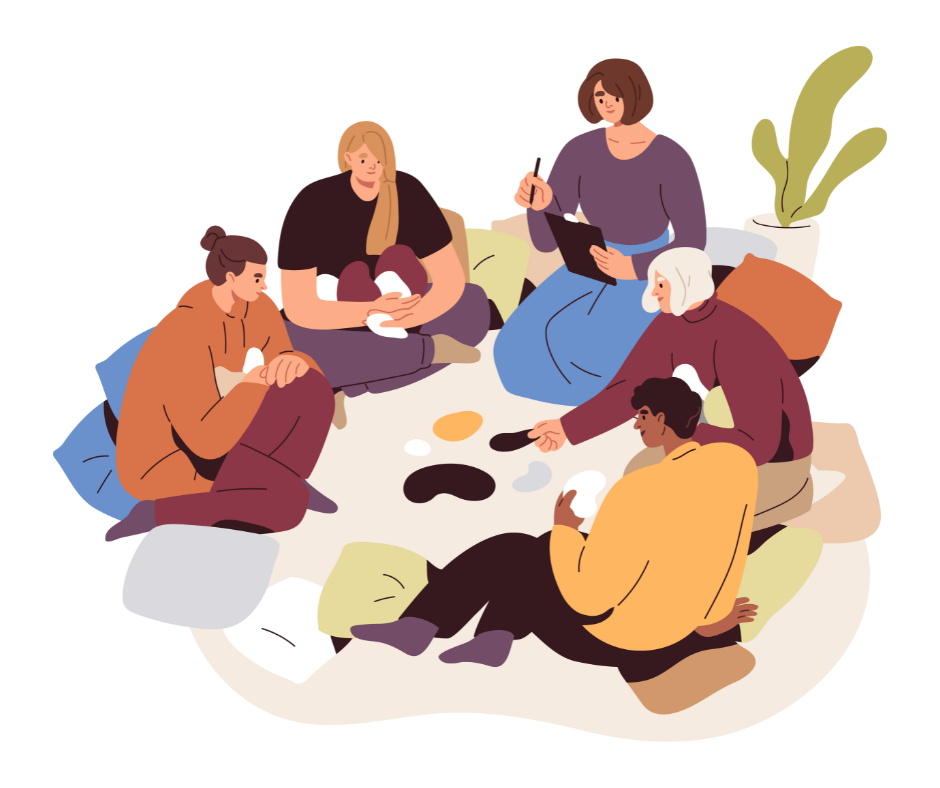
In group therapy, a small number of people meet together with a therapist to share and learn from each other. You might all be working on similar challenges like anxiety, grief, or body image.
It can be powerful to know you are not alone and to hear others say, “me too.”
Group therapy can build connection, reduce shame, and offer new perspectives.
Family Therapy
Family therapy brings in relatives, partners, or caregivers to work through relationship patterns, communication problems, or shared concerns.
The therapist helps everyone feel heard and guides tough conversations in a safe way.
It can be helpful for conflict, big life changes, or healing long-standing dynamics within a family system.


Couples Therapy
Couples therapy focuses on the relationship itself, whether you are dating, married, or somewhere in between.
A therapist helps both partners communicate better, work through conflict, rebuild trust, or navigate major life changes together. It is not about picking sides but about helping the relationship grow in a healthy direction.
You do not need to be in crisis to benefit—it can also strengthen your connection and help you understand each other more deeply.

You are not locked into one format.
Many people combine different types like doing individual therapy and joining a group or switching from online to in-person later on.
The goal is the same: to find support that feels safe, effective, and made for you.
Is This Therapy Right for Me?
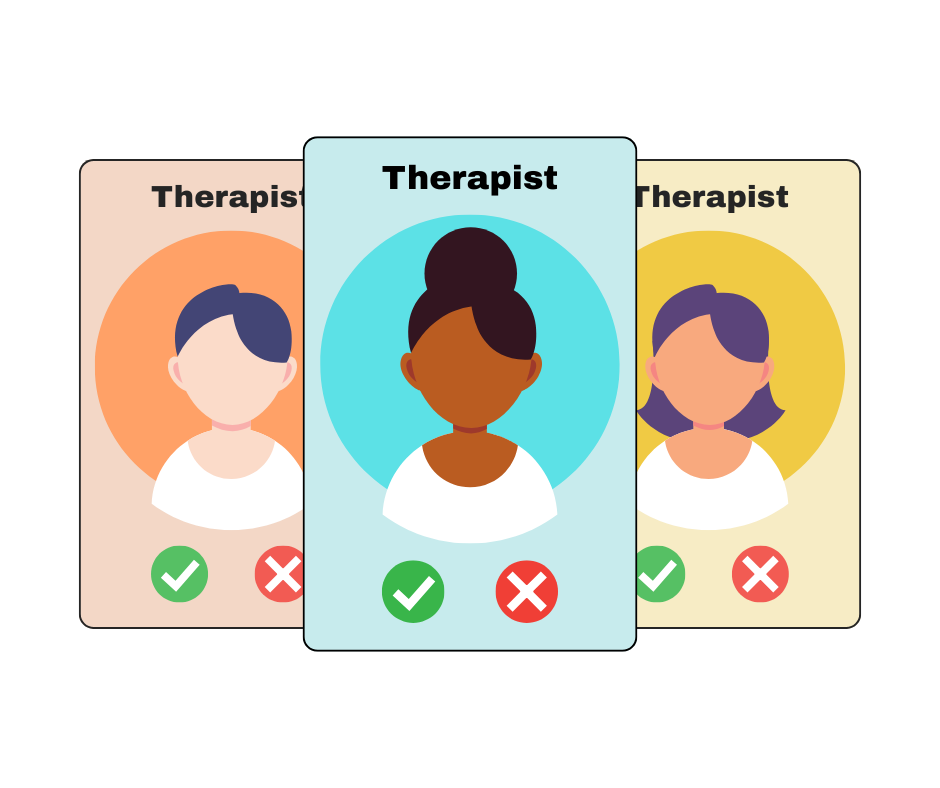
Finding the right therapist or approach is a process. It is totally normal if you do not feel a perfect fit right away.
Therapy works best when you feel safe, respected, and genuinely understood. As you start your journey, here are a few questions to reflect on:


• Do I feel safe with my therapist?
• Do I feel seen and listened to?
• Am I learning things that help me outside of sessions?
• Does this approach make sense to me?
If something feels off, even if you cannot quite explain why, that matters. You are allowed to explore other therapists or therapy styles.
It does not mean you failed or gave up—it means you are advocating for what you need. Therapy should feel like a space that supports your growth, not something that adds pressure or confusion.
The right fit can take time, but it is worth it!
You deserve care that truly feels like care.
Game: What Type of Therapy Might Fit You?

Disclaimer:
This is just a fun quiz to explore what therapy style might fit your vibe. It is not a diagnosis or a professional recommendation. If you like your result, you can check it out—if not, there are lots of other options!
Start the Quiz: Try to answer each question as honestly and accurately as possible, and make sure to keep track of your responses!

Results
Mostly A’s – Cognitive Behavioral Therapy (CBT)
You might vibe with CBT. It is practical, goal-oriented, and helps you understand how your thoughts, feelings, and actions are connected. If you want concrete tools, strategies, and a clear plan to manage anxiety, stress, or unhelpful patterns, CBT could be a strong match.
Mostly B’s – Dialectical Behavior Therapy (DBT)
You might connect with DBT. This therapy is all about managing intense emotions, improving relationships, and building skills to handle stress in healthy ways. It is great if you feel things deeply or want to feel more in control without shutting your emotions down.
Mostly C’s – Psychodynamic Therapy
You might be drawn to Psychodynamic Therapy. It helps you explore how your past experiences and unconscious patterns shape your present. If you are curious about your inner world, relationship patterns, or why you do what you do, this deeper style might speak to you.
Mostly D’s – Humanistic Therapy
You might resonate with Humanistic Therapy. This approach is warm, accepting, and centered on self-discovery. It gives you the space to explore who you are, what matters to you, and how to grow into your most authentic self. If you want to feel heard without judgment, this might be your fit.
Mostly E’s – Art Therapy
You might love Art Therapy. This creative approach lets you explore feelings and experiences through art, music, movement, or other forms of expression. If talking is hard or you process emotions in unique ways, Art Therapy could help you express what words cannot.
Still not sure?
That is totally okay. This quiz is just one way to get you thinking, but it is not the only way to find what fits. You might connect with parts of more than one therapy style, or your needs might change over time. Therapy is not one-size-fits-all, and that is a good thing.
Explore the other types of therapy on this page!