

STI and Pregnancy Testing

Why Testing Matters
Whether you are sexually active or just want to stay informed, knowing about STIs (sexually transmitted infections) and pregnancy is an important part of taking care of your health.
You do not have to be in a relationship, have symptoms, or even be sure something is wrong to get tested.
Testing is confidential, quick, and helps you stay in control of your body and your choices.
In New York State, you can get tested without needing permission from a parent or guardian, and many clinics offer free or low-cost options.
What Are STIs?
STIs, or sexually transmitted infections, are infections passed from one person to another through sexual contact.
This includes:
Vaginal
Anal
Oral

Some STIs are caused by bacteria, others by viruses or parasites. They are very common and can affect anyone regardless of age, gender, or sexual orientation.
STI Myths & Facts
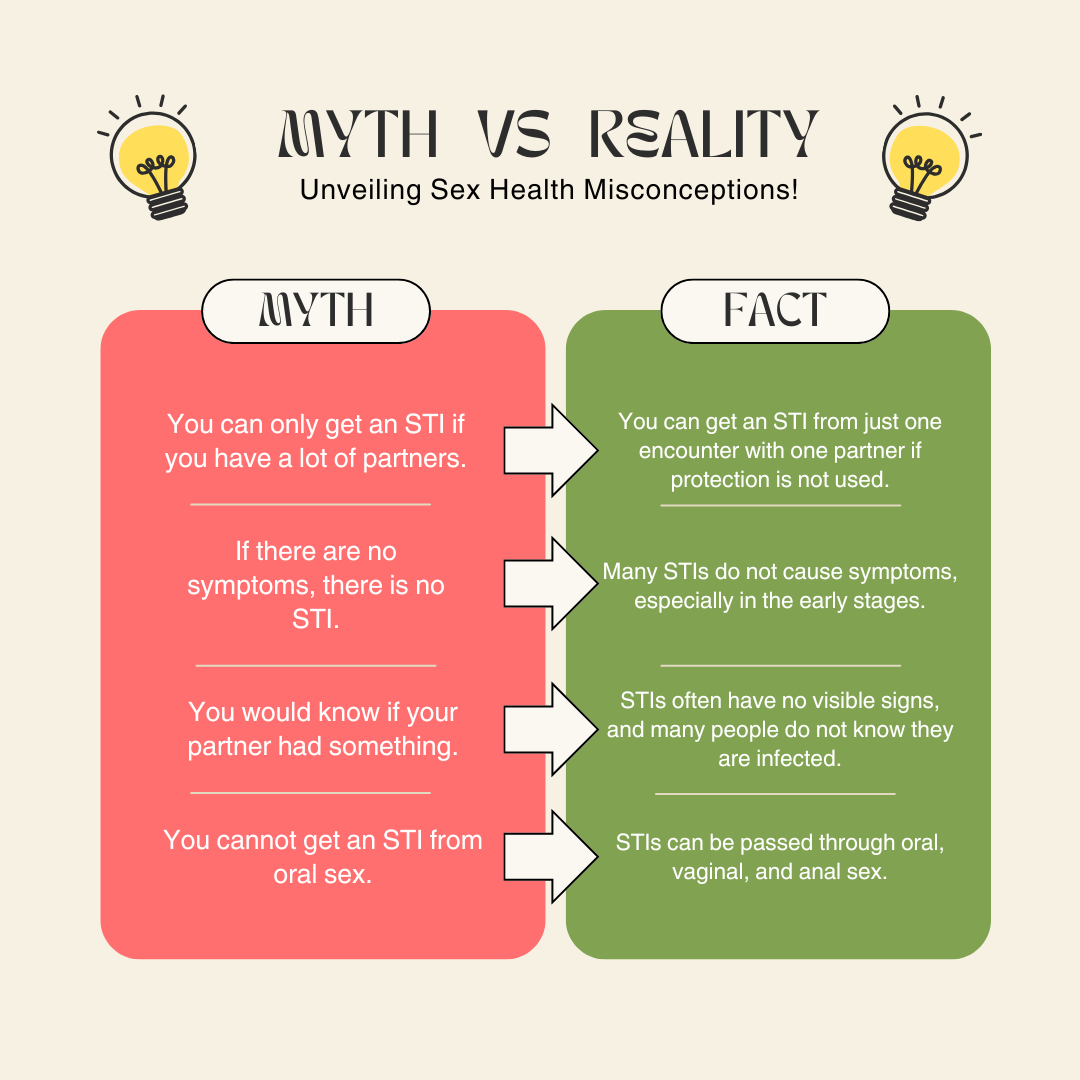
There is a lot of misinformation out there about STIs. Knowing the truth can help you make better decisions and reduce shame or fear. We have created a short list of the most believed myths about STIs, accompanied by the facts for each belief.
Note that these are not the only myths out there!
We encourage you to do further research on trusted platforms and to think critically each time you hear information about sexual health.
Some platforms that provide factual and neutral information are:
Testing & What To Expect
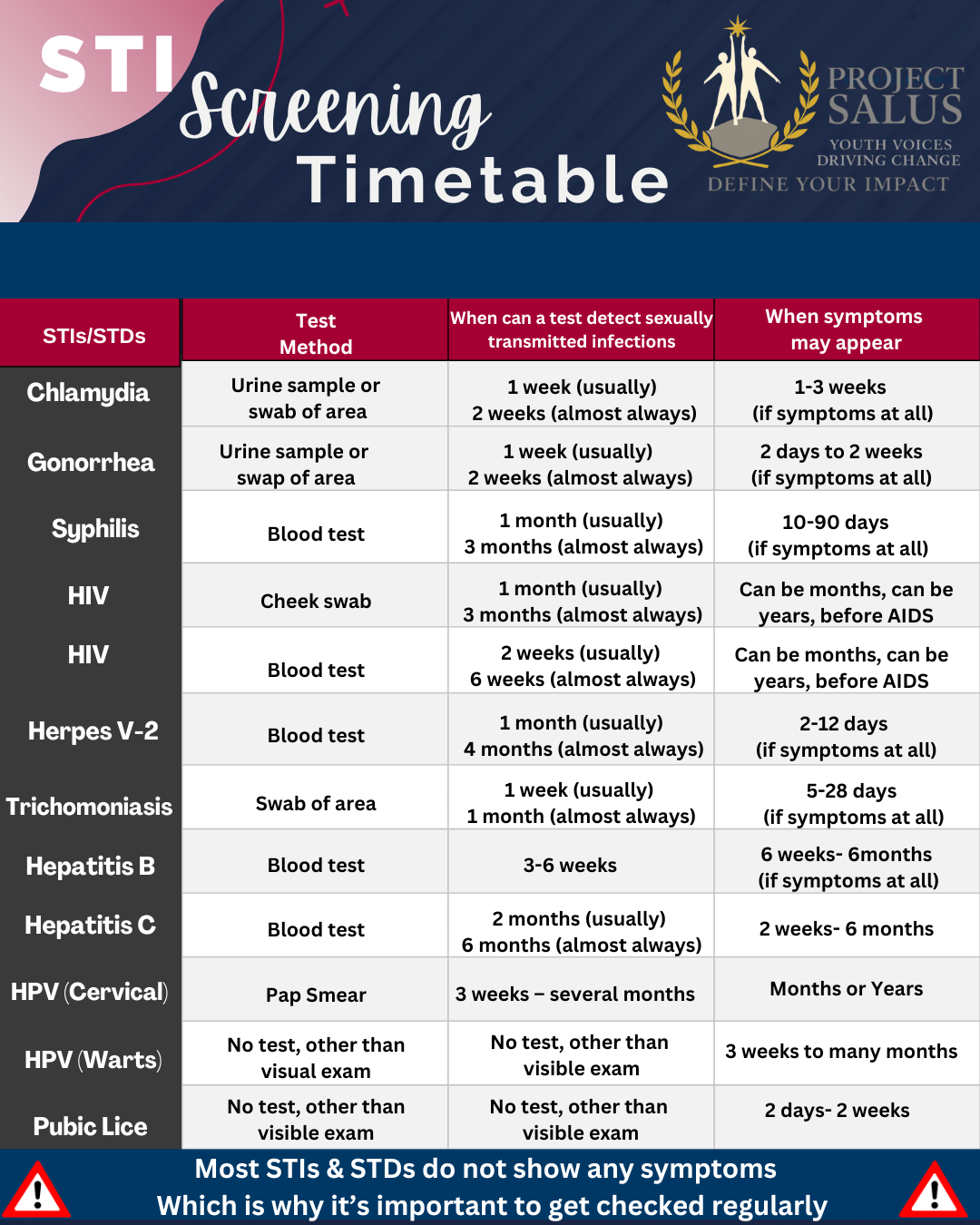
When you go to a clinic, these are the most common STI tests you might receive. The provider will help you decide what makes sense based on your health, activity, and concerns.
What’s the difference?
We understand getting tested can be embarrassing. We also understand the fear behind getting tested.
Understanding the difference between the window period and the incubation period can help you know when the best time to get tested is for accurate results.
-
In simple terms, the window period is the amount of time you need to wait after a possible exposure and when a test can reliably detect the infection.
-
The time it usually takes AFTER exposure for someone to feel or notice symptoms, if symptoms show up at all.
Understanding Pregnancy
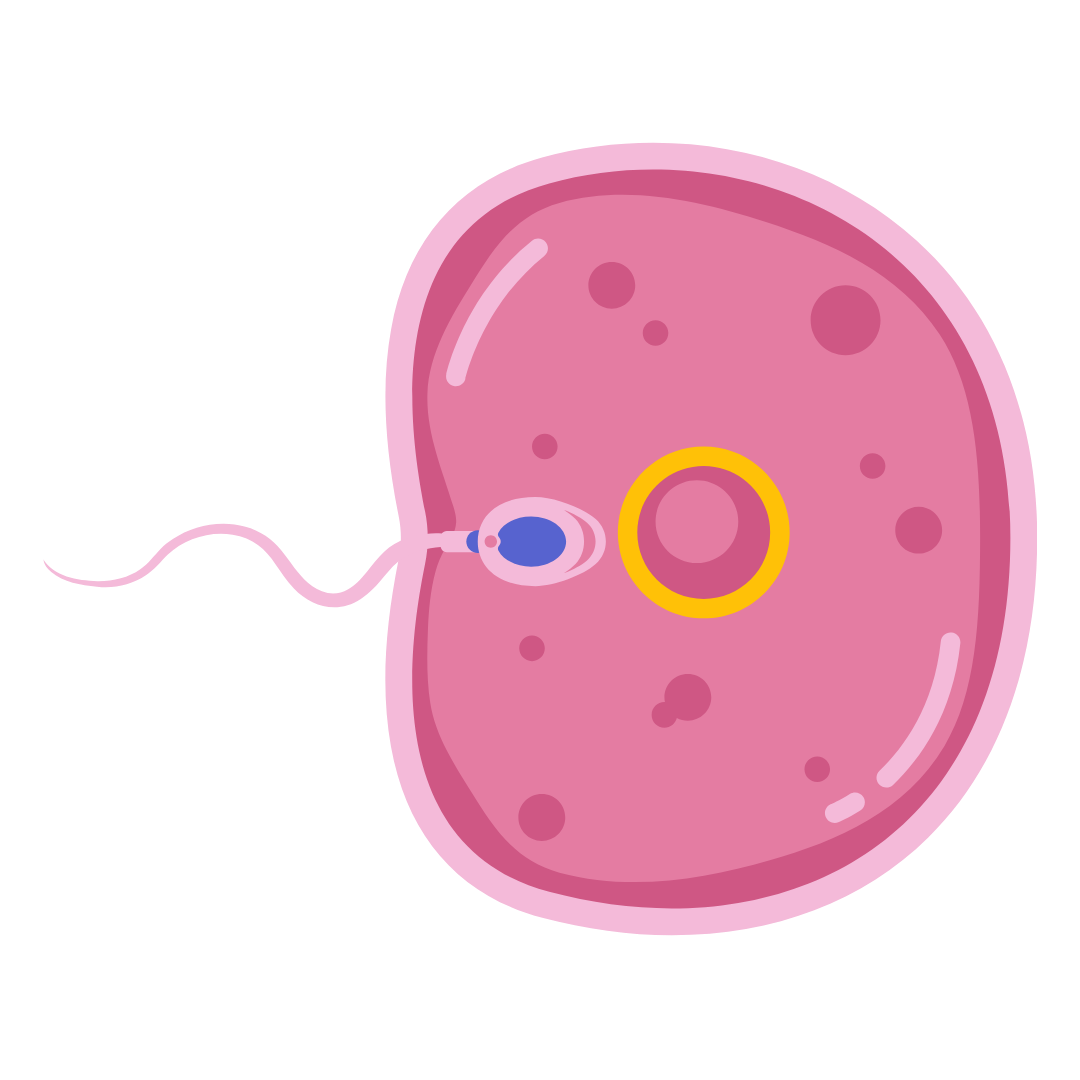
Pregnancy happens when a sperm cell fertilizes an egg, usually after vaginal sex.
It can occur even if it is the first time someone has sex, or even if it was unplanned.
You do not need to “feel different” to be pregnant. Symptoms can vary or take time to appear.
Knowing the facts about how pregnancy works and how to prevent it can help you feel more confident and in control of your choices.
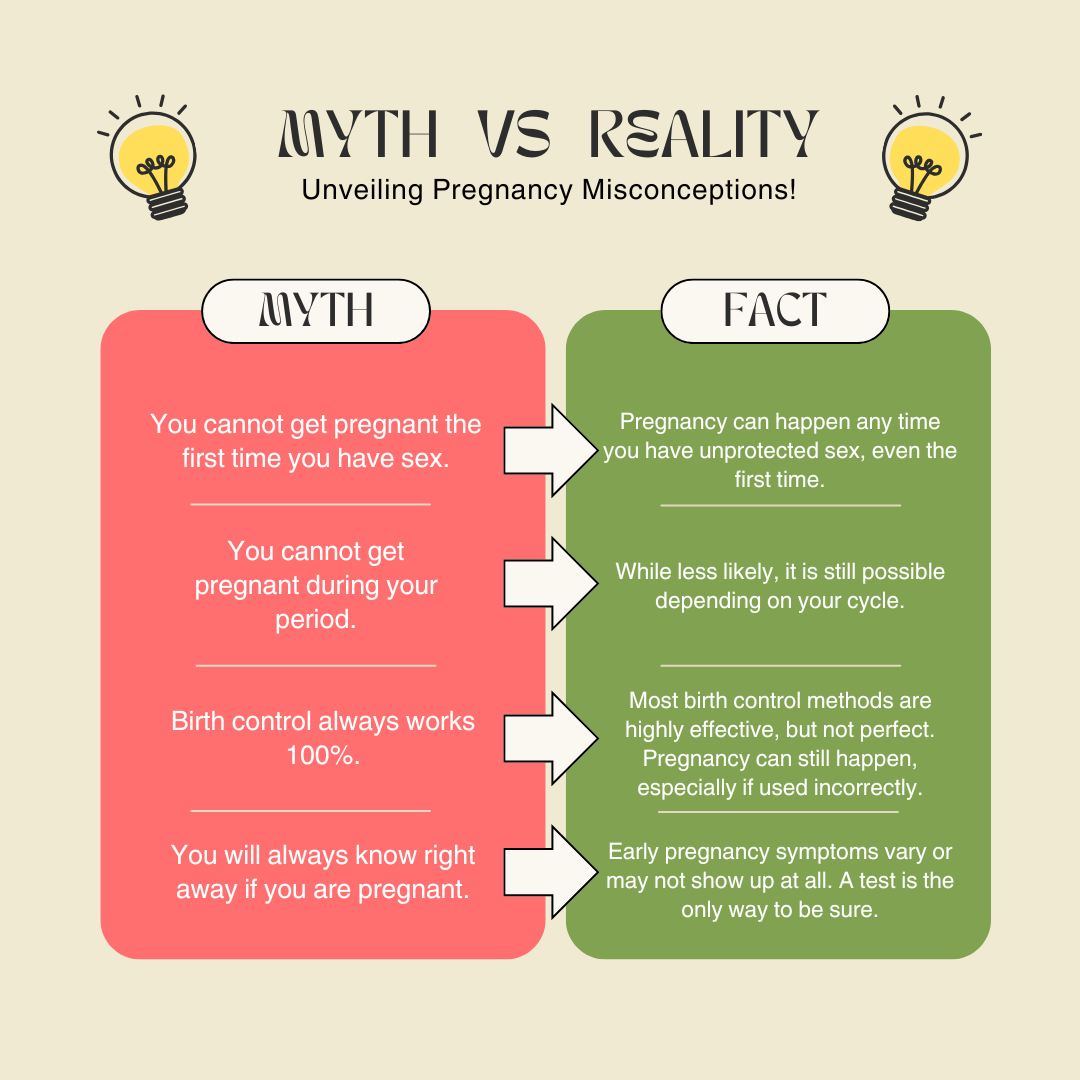
Pregnancy Myths and Fact
There are many myths about when and how someone can get pregnant. Understanding what is true and what is not can help you protect yourself and support others.
Let’s look at some common beliefs and the real facts.
Just note that these are not the only myths out there!
We encourage you to do further research on trusted platforms and to think critically each time you hear information about sexual health.
Some platforms that provide factual and neutral information are:
Testing and What To Expect
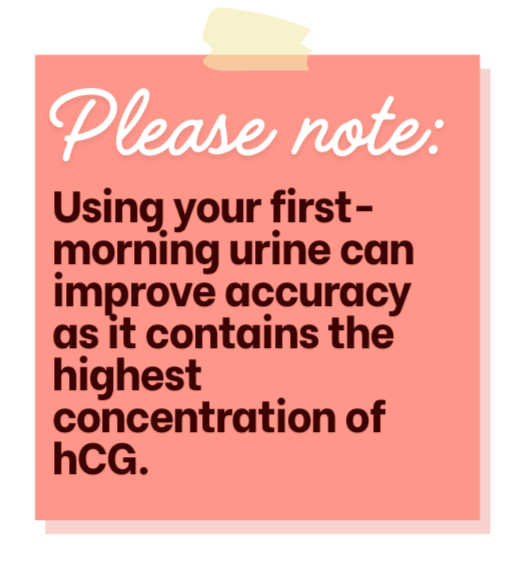
If you think you might be pregnant or just want peace of mind, clinics offer simple, confidential testing options. Both urine and blood tests look for hCG (human chorionic gonadotropin), a hormone your body produces during pregnancy.
Urine Pregnancy Test
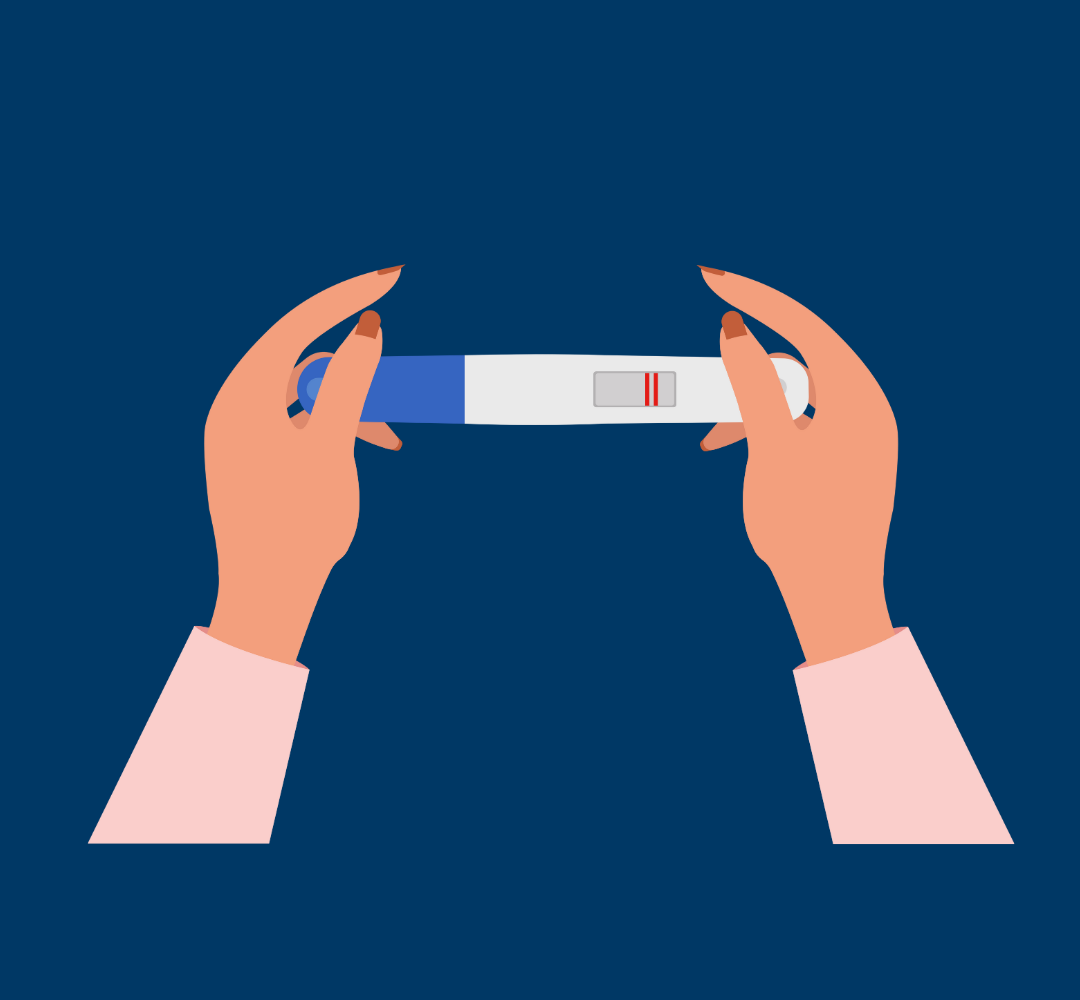
How it is done:You urinate on a test strip or into a cup.
What to know:Results usually appear in just a few minutes. These tests are affordable, private, and widely available at clinics, pharmacies, or even at home.
Accuracy: About 99% accurate when taken after a missed period, especially when done correctly.
When should you take a urine pregnancy test?
For the most reliable results, take a urine pregnancy test 10–14 days after sex, or after your missed period, when accuracy is highest.
Blood Testing for Pregnancy
How it is done: A small blood sample is taken from your arm.
What to know: Blood tests are usually done at a clinic or doctor's office. Results may take a few hours to a couple of days depending on the clinic.
Accuracy: Over 99% accurate, and can detect pregnancy earlier than urine tests.
When should you ask for a pregnancy blood test?
For the most reliable results, ask for this test 6–8 days after ovulation or before a missed period.
FAQs
-
Most tests are quick and not painful. Urine samples and swabs are very simple, and blood tests only involve a small pinch.
-
Yes. In New York State, you can get tested for STIs, pregnancy, and more without a parent or guardian.
-
Some tests, like rapid HIV or pregnancy tests, give results the same day. Others may take a few days to a week.
-
Yes. Clinics that offer confidential services will not share your information, unless there is a serious safety concern.
-
Some clinics accept walk-ins, but it is a good idea to call ahead or check their website.
-
No. You can go alone and do not need to tell a parent, partner, or friend unless you want to.
-
The clinic will support you with information, treatment, and next steps. Most STIs are treatable or manageable.
-
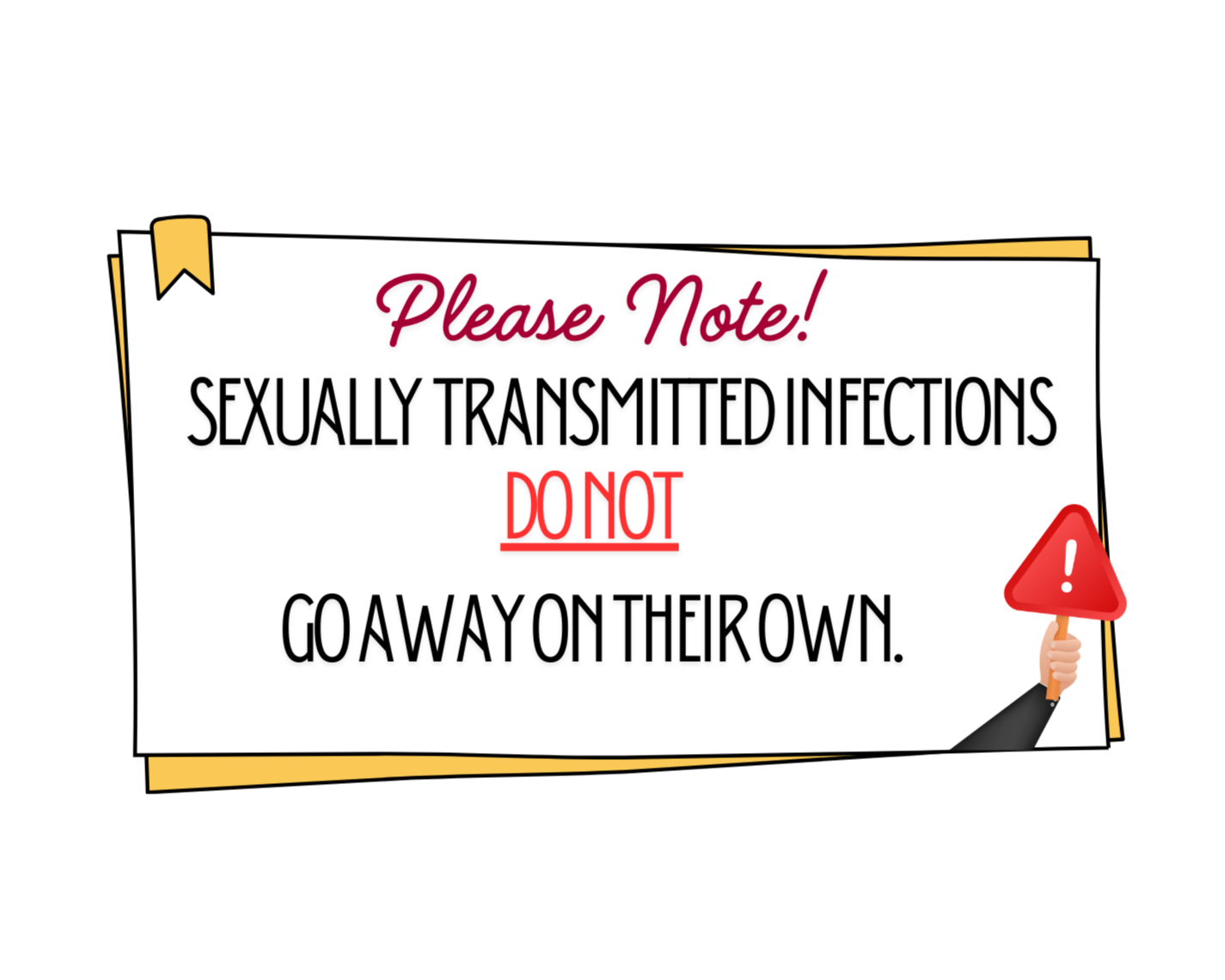
Yes. Many STIs do not cause symptoms. Testing is a smart way to stay on top of your health.
-
Yes. Most tests can still be done while you are on your period. If you are unsure, call the clinic ahead of time.