
Angry or Overwhelmed
Angry or Overwhelmed
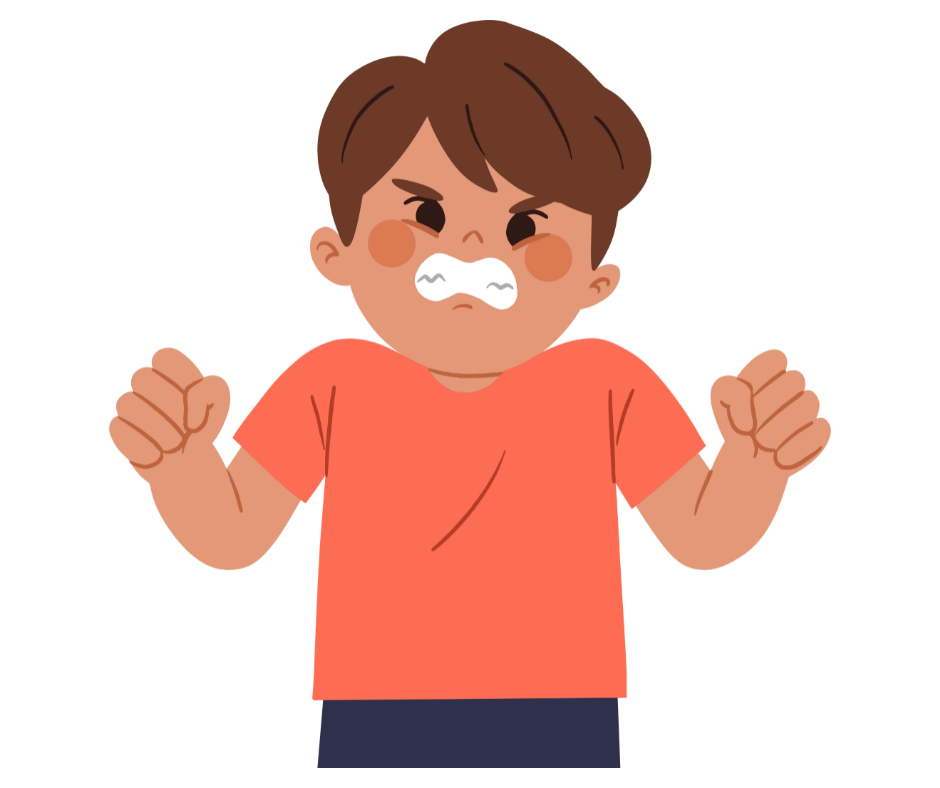
Anger and overwhelm create intense energy in the body that needs a safe outlet. Releasing it in healthy ways can prevent saying or doing things you might regret.
You might notice:
Tense muscles or clenched jaw
Fast heartbeat
Impulsive urges
Irritability or frustration
Techniques
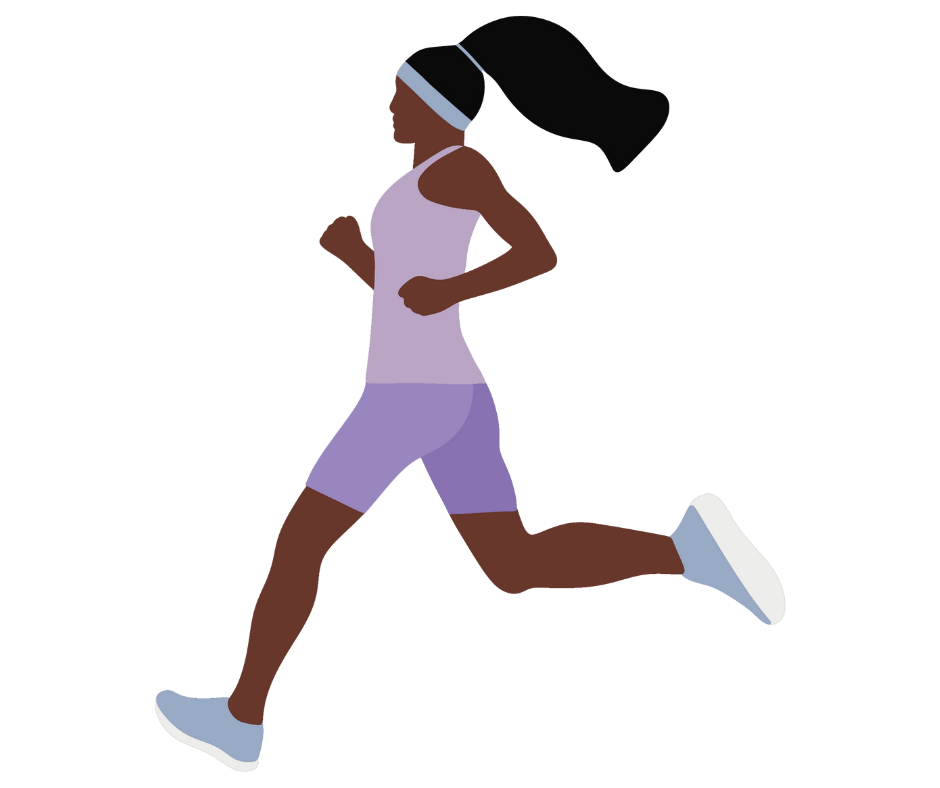
Intense Movement
What it is: Quick, high-energy physical activity that releases the adrenaline surge fueling anger.
How to do it: Try jumping jacks, running in place, push-ups, or even squeezing a pillow tightly. Do the movement with intensity for a short burst, then let your body slow down.
Why it helps: Anger activates your “fight or flight” system, filling your body with energy. Physical exertion uses up that energy in a safe way, helping you feel calmer and less explosive afterward.
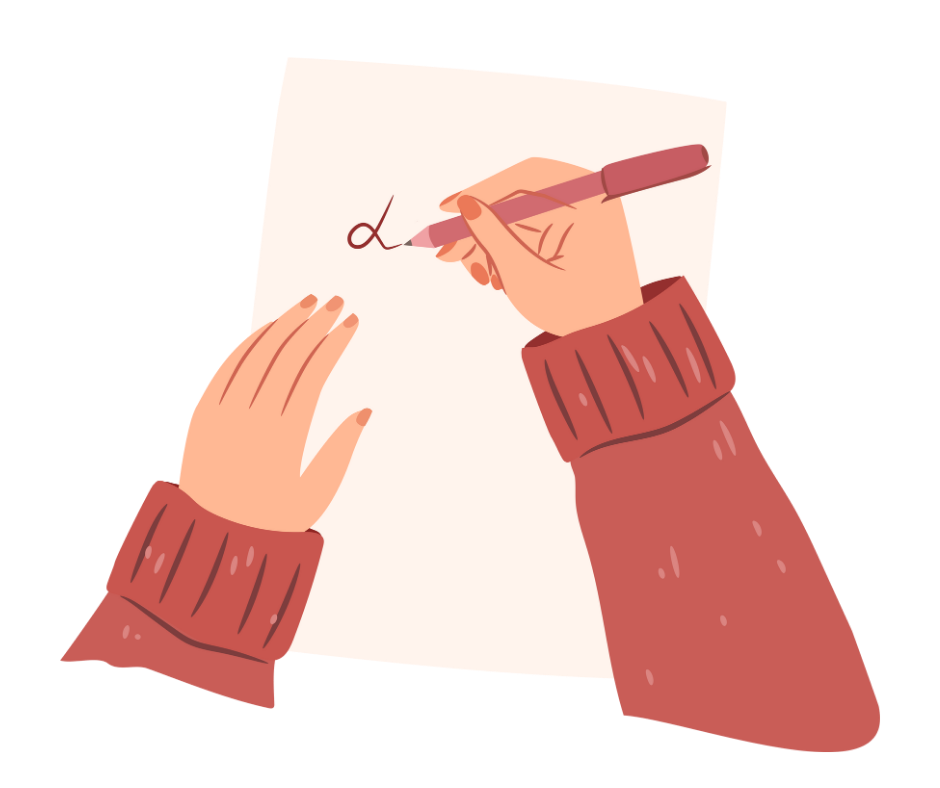
Scribbling or Free writing
What it is: A creative outlet that lets emotions out on paper instead of keeping them bottled inside.
How to do it: Grab a pen and paper. Scribble furiously, write down every thought that comes to mind, or fill a page with words, shapes, or messy writing. Do not worry about grammar or neatness—just let it flow.
Why it helps: Writing or scribbling gives your anger somewhere to go, which prevents it from staying trapped in your body. It helps you process the feelings, release tension, and sometimes even see patterns or clarity you could not in the heat of the moment.
Splashing Cold Water / Holding Ice
What it is: A physical shock to your system that disrupts an anger spiral.
How to do it: Splash cold water on your face, hold an ice cube in your hand, or press something cold against your skin for a few seconds. Focus on the sudden temperature change.
Why it helps: The cold activates your body’s “dive reflex,” which slows your heart rate and signals your nervous system to calm down. It also interrupts racing thoughts by forcing your attention onto the physical sensation.
Taking Space
What it is: A pause that allows you to step back from a heated situation before reacting.
How to do it: Physically remove yourself from the triggering environment, even if just for a few minutes. Go into another room, step outside, or take a short walk. Breathe and let your body settle before re-engaging.
Why it helps: Anger can make you act impulsively. Creating space lowers the intensity, gives your brain time to move from emotional reactivity to clearer thinking, and helps you respond more thoughtfully instead of escalating the situation.