
Anxious or Overstimulated
Anxious or Overstimulated
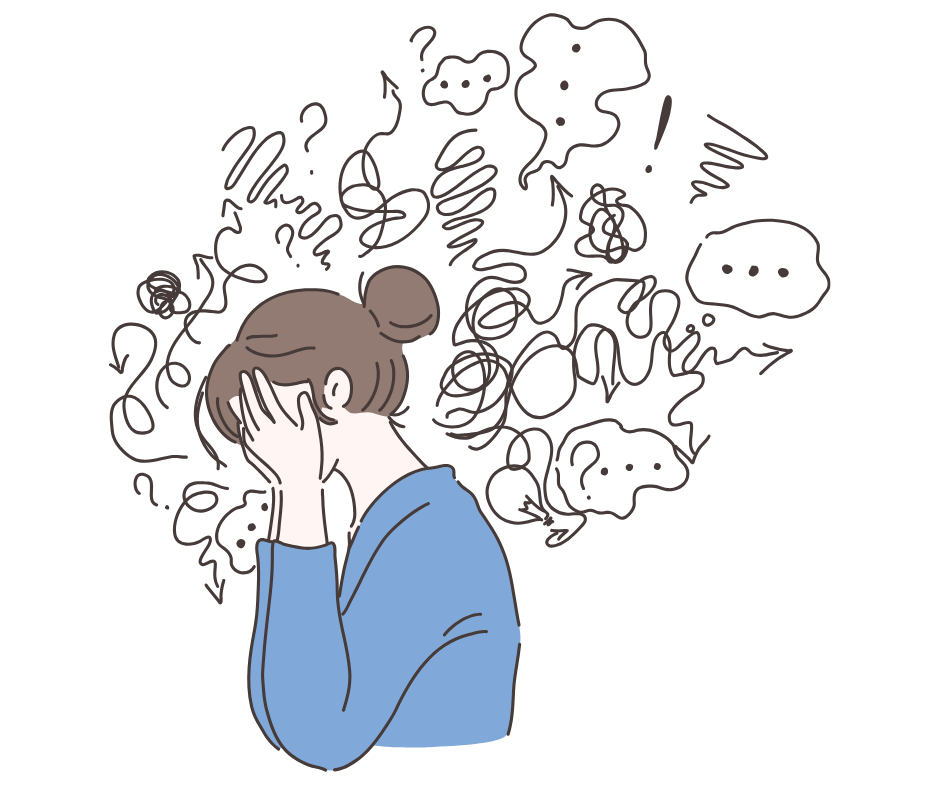
Anxiety and overstimulation can make your mind race and your body feel on high alert. Your senses may feel too sharp, and it can be hard to slow down.
You might notice:
Racing thoughts
Tight chest or quick breathing
Restlessness or fidgeting
Trouble focusing
Techniques
5-4-3-2-1 Grounding Technique
What it is: A mindfulness exercise that uses your senses to bring you back to the present.
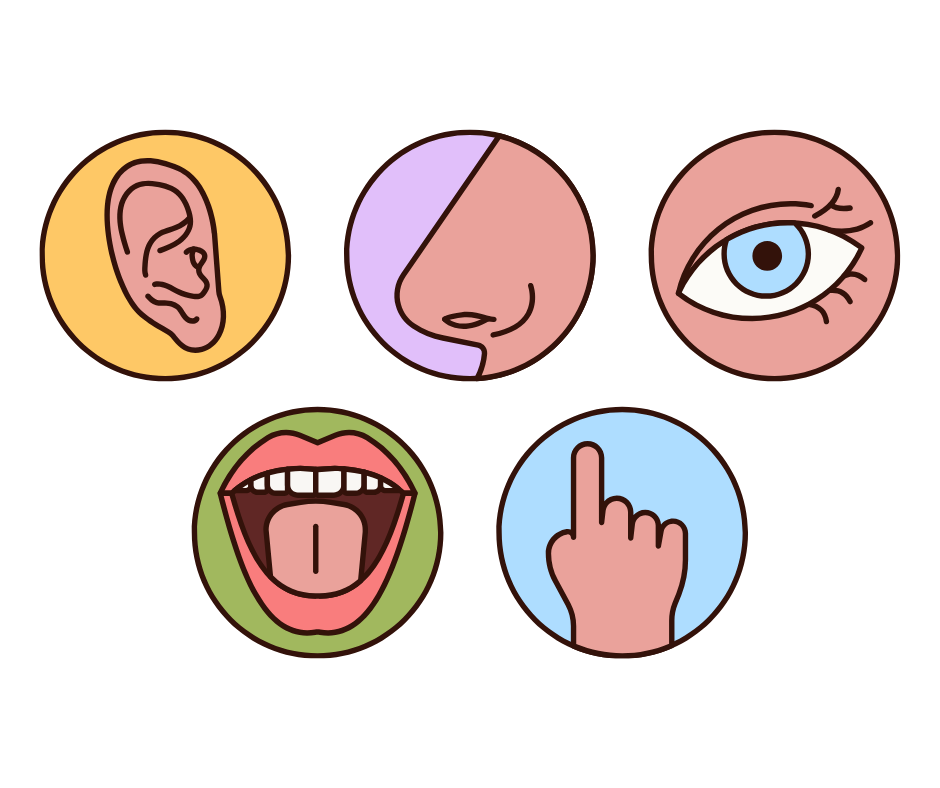
How to do it: Look around and name 5 things you see, 4 things you can touch, 3 things you hear, 2 things you smell, and 1 thing you can taste. Go slowly and really notice the details.
Why it helps: Anxiety often pulls you into racing thoughts or “what if” scenarios. This technique interrupts that cycle by shifting your attention to concrete, real-world sensations, helping your mind feel more grounded and safe.
Box Breathing
What it is: A controlled breathing pattern that regulates your breath and relaxes your body.
How to do it: Inhale slowly through your nose for 4 counts. Hold your breath for 4 counts. Exhale through your mouth for 4 counts. Hold again for 4 counts. Repeat for several cycles.
Why it helps: Anxiety and overstimulation often speed up your breath, which signals danger to your nervous system. Box breathing resets that signal by slowing your breathing and activating the body’s relaxation response.
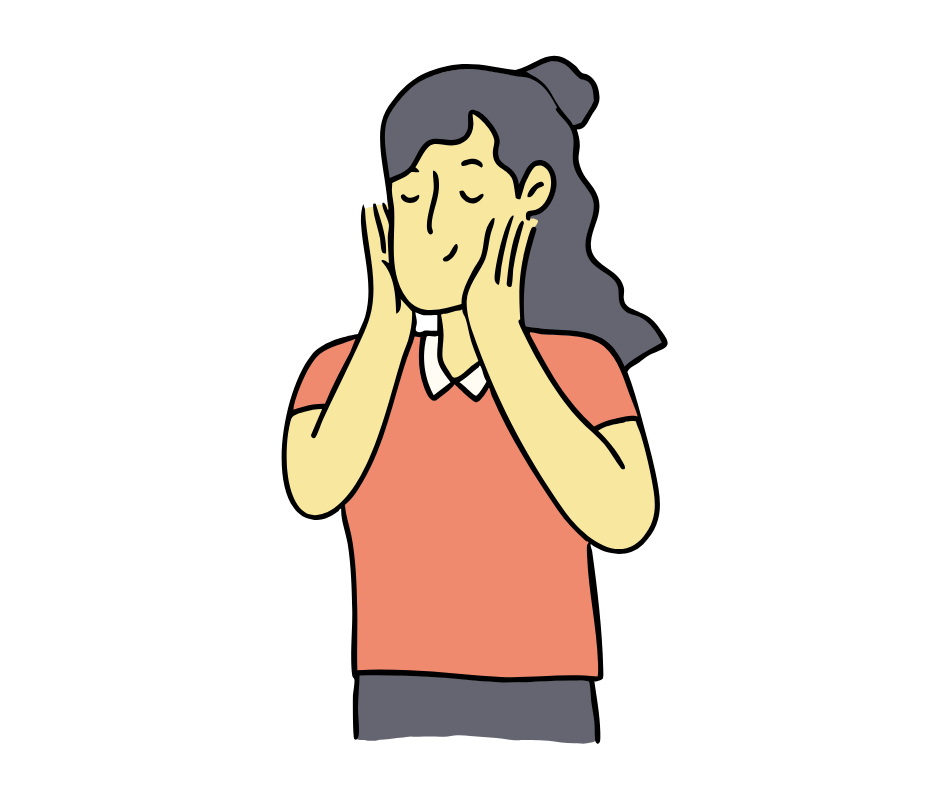
Tapping Techniques (Emotional Freedom Technique / EFT)
What it is: A stress-reduction method that involves tapping on acupressure points while paying attention to your feelings.
How to do it: Using two fingers, gently tap spots such as the side of your hand, the space between your eyebrows, or just under your collarbone. While tapping, think about what you are feeling or even say it out loud.
Why it helps: Tapping is thought to reduce stress signals in the brain by calming the amygdala (the part linked to fear and anxiety). The physical rhythm also distracts from overwhelming thoughts, creating a sense of release.
Body Scan Meditation
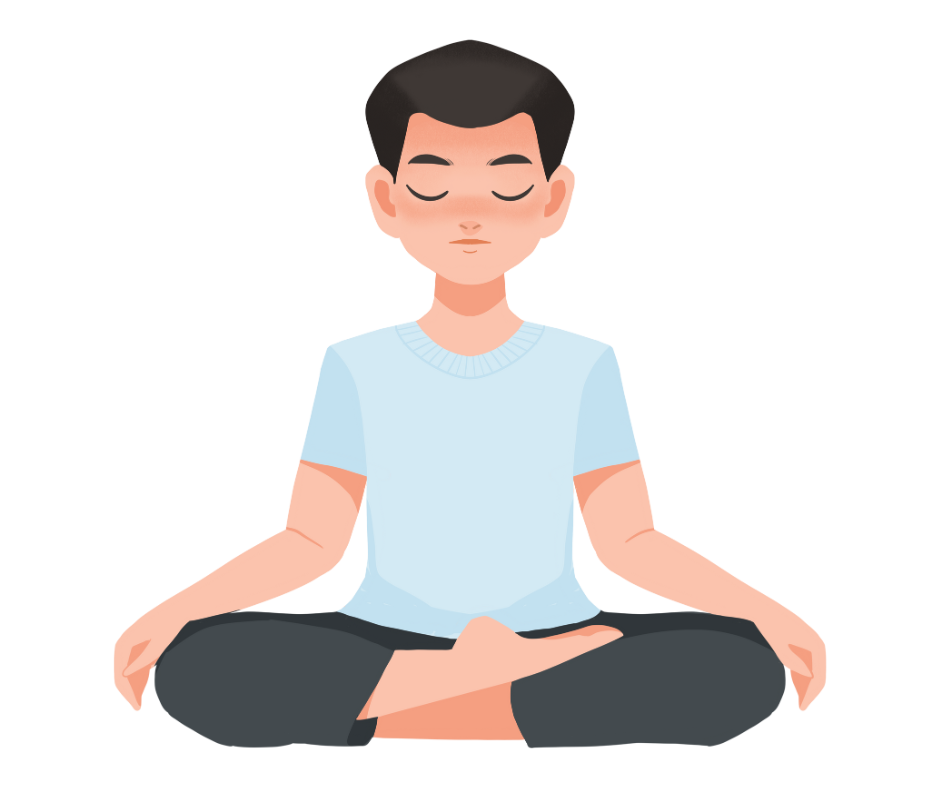
What it is: A mindfulness practice where you check in with each part of your body to notice tension and consciously let it go.
How to do it: Sit or lie down comfortably. Start at your toes and slowly bring your attention up through your legs, torso, arms, and head. Notice any tightness, pain, or tingling. Breathe into those areas and imagine them softening.
Why it helps: Anxiety often shows up physically—tight chest, clenched jaw, restless legs. A body scan helps you notice where you are holding stress and gives you a way to release it, bringing both mental and physical relief.
Use a Grounding Object
What it is: A tactile tool (like a smooth stone, stress ball, or piece of fabric) that helps anchor you to the present.
How to do it: Hold the object in your hand. Focus on its temperature, texture, weight, shape, or color. If helpful, describe it silently or out loud.
Why it helps: When anxiety makes your thoughts spiral, focusing on an object gives your brain something steady and neutral to hold onto. It signals safety, helps regulate emotions, and can be carried anywhere for quick comfort.